
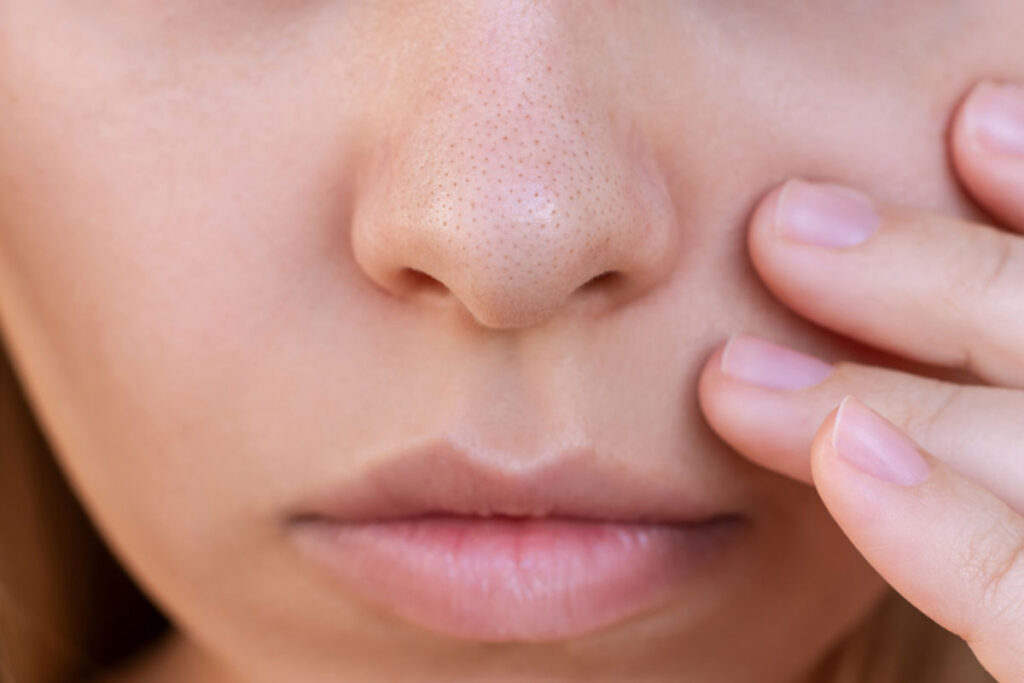
Large pores are a small detail, but they can change how the whole skin surface looks. Some people notice them around the nose. Others see them on the cheeks, especially when makeup settles or the skin gets oily by the afternoon. It is rarely a dramatic skin problem, but it can be persistent and annoying.
The honest part first: pores cannot be removed. They are normal openings in the skin, and every person has them. They also cannot be permanently “closed.” That promise usually belongs on a product label, not in a serious treatment plan.
What can improve is the appearance of pores. In many cases, they can look cleaner, smoother, tighter, and less obvious when the skin is properly treated.
The best treatment for large pores depends on the cause. Oil, congestion, acne scars, aging, sun damage, and reduced collagen can all make pores look more visible. A good plan works with the skin, not against it.
Key Takeaways
- Large pores are commonly linked to genetics, oily skin, clogged pores, aging, and loss of elasticity.
- Pores cannot be permanently closed, erased, or removed.
- Their appearance can improve when the skin is clearer, smoother, firmer, and less congested.
- Treatments may include HydraFacial, chemical peels, microneedling, RF microneedling, Pico Glow, or CO2 laser resurfacing.
- The right plan depends on whether the main issue is oil, congestion, texture, acne scars, laxity, or a combination of concerns.
What Causes Large Pores?
The answer to what causes large pores is usually more layered than people expect.
Some of it is genetic. If you naturally have oilier skin, your pores may be more visible, especially through the nose, cheeks, forehead, and chin. The pore is connected to an oil gland, so higher sebum production can make the opening look more obvious.
Congestion also matters. Oil, dead skin cells, makeup, sunscreen, and debris can collect inside the pore. When that buildup stays there, the pore may look darker or wider than it really is.
Then aging comes in. As collagen and elastin decline, the skin around each pore becomes less firm. The pore itself may not have changed much, but the support around it is weaker. Sun damage can make this worse by breaking down collagen and leaving the skin rougher.
So there is a difference between actual pore size and pore appearance. Sometimes the pore is clogged. Sometimes the surrounding skin is looser. Often, both are happening.
Can You Actually Shrink Pores?
Not permanently. That is the part worth understanding before spending money on treatments or skincare.
Pores do not open and close like doors. Steam can soften buildup, which may make extractions easier. Cold water can make the skin feel temporarily tighter. Neither one changes the structure of the pore.
When people search for how to shrink pores, they usually want the pores to look less visible. That is a more realistic goal.
This can happen when treatments help:
- clear trapped oil and debris
- smooth rough surface texture
- reduce excess buildup
- improve firmness around the pore
- support collagen production
- protect the skin from further sun damage
A pore that is clean often looks smaller. Skin with better firmness often makes pores look less stretched. Texture that has been refined reflects light more evenly, so pores draw less attention.
The pore is still there. It just stops being the main thing you see.
Best Professional Treatments for Large Pores
There is no single “pore treatment” that works for every face. In a proper assessment, the question is not only where the pores are. It is why they look enlarged.
HydraFacial for Congested and Oily Skin
HydraFacial is often a sensible first step when the skin looks oily, dull, clogged, or uneven.
The treatment combines cleansing, exfoliation, extraction, and hydration. It helps remove the buildup that can make pores look darker and heavier. For patients with blackheads, surface congestion, or makeup that sits badly on the skin, HydraFacial for large pores can be a useful maintenance treatment.
It does not change genetics. It will not stop oil production forever. But it can make the skin look cleaner and smoother without the recovery associated with stronger resurfacing procedures.
For many people, this is the treatment that makes the skin feel “reset,” especially when congestion is the main issue.
Chemical Peels for Skin Renewal
A chemical peel for pores may help when the skin feels rough, thick, oily, or slow to shed.
Peels encourage controlled exfoliation. By helping dead skin cells lift away more evenly, they can reduce buildup around the pore opening and improve skin texture over time. Some peels also support oil control, which matters for patients whose pores look worse when the skin is shiny or congested.
The type of peel matters. A light peel may involve very little downtime. A stronger peel can give more visible peeling and needs more aftercare. Darker skin tones, sensitivity, recent sun exposure, and acne history all need to be considered before choosing the peel.
Peels are usually better for congestion and surface texture than for deep acne scars or skin laxity.
Microneedling and RF Microneedling for Collagen Stimulation
When pores look larger because the surrounding skin has lost firmness, cleansing treatments alone will not do enough.
Microneedling creates controlled micro-injuries in the skin. The goal is to encourage repair and collagen production. Over time, this can improve firmness, texture, and the way the skin sits around the pore.
Microneedling for large pores may be considered when visible pores come with rough texture, early laxity, acne scars, or a slightly uneven surface.
RF microneedling, including Infini RF Microneedling, adds radiofrequency energy beneath the surface. This can be useful when the concern is not just pore visibility, but also skin tightening, acne scarring, or deeper textural change.
These treatments are not instant. The skin needs time to remodel. Some early smoothness may appear sooner, but collagen changes usually build over weeks and months.
Laser Treatments for Skin Texture Refinement
Laser can help with pore appearance, but only when it is chosen properly. The word “laser” covers very different treatments.
A laser treatment for large pores may be recommended when pores are part of a wider texture problem: acne scars, roughness, sun damage, uneven tone, or reduced firmness.
CO2 laser resurfacing is usually used for more advanced texture concerns. It can improve scars, lines, roughness, and skin resurfacing needs, but it involves more recovery. This is not the lightest option, and it should be planned carefully.
Pico Glow is a different type of treatment. It may be discussed for brightness, pigment concerns, and overall skin rejuvenation. For some patients, it offers a more moderate path when the goal is clearer, more refined-looking skin without the downtime of deeper resurfacing.
The right laser depends on skin tone, sensitivity, pigment risk, previous treatments, sun exposure, and how much recovery time the patient can honestly manage.
Which Treatment Is Best for Your Type of Pores?
The best treatment for large pores should match the cause, not just the appearance.
| What you notice | What may be happening | Treatments that may be considered |
| Shiny skin, blackheads, clogged pores | Oil and debris inside the pore | HydraFacial, chemical peels, medical-grade skincare |
| Pores look larger with age | Collagen loss, reduced firmness, sun damage | Microneedling, RF microneedling, laser treatments |
| Rough texture or acne scars | Uneven surface and scar tissue | CO2 laser, Pico Glow, RF microneedling |
| Several concerns at once | Oil, laxity, dullness, scars, texture | Personalized treatment plan |
This is why copying someone else’s treatment plan often disappoints. One person’s pores may be mostly congestion. Another person’s pores may be tied to aging and collagen loss. A third person may be dealing with old acne scars.
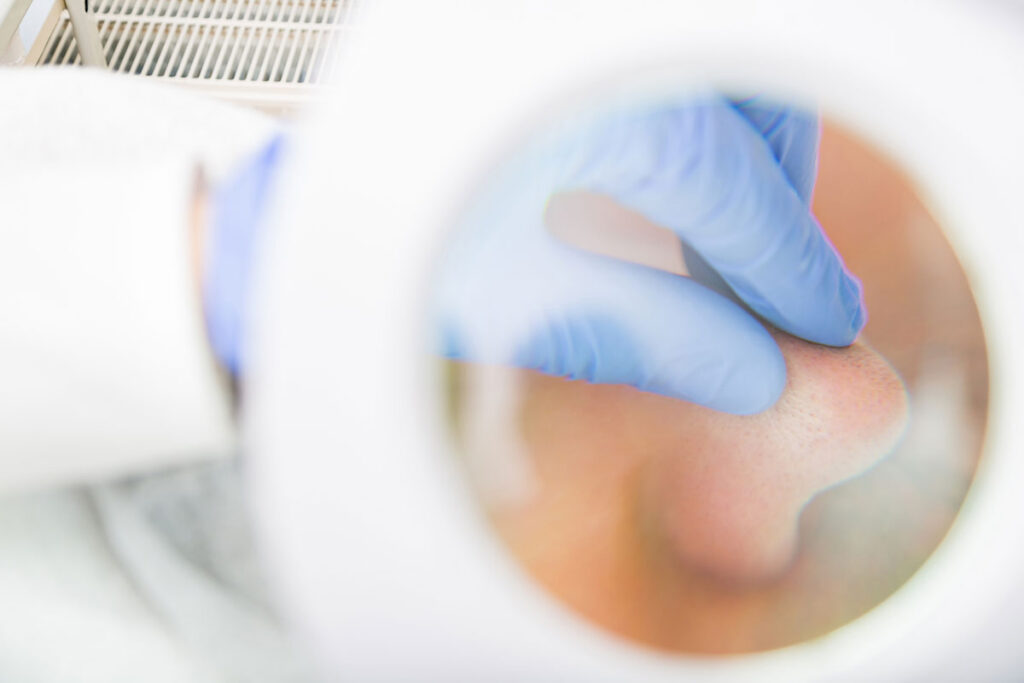
The treatment should be chosen after looking at the skin closely.
Can Medical-Grade Skincare Improve Pore Appearance?
Yes, but it will not erase pores.
Good skincare for enlarged pores usually focuses on keeping the skin clear, balanced, and protected. Retinoids can support cell turnover and texture. Exfoliating acids may help reduce buildup around the pore opening. Oil-regulating ingredients can help with shine and congestion. Daily sunscreen matters because UV damage weakens collagen, and weaker collagen makes pores look more visible over time.
The common mistake is overdoing it. Too many acids, harsh scrubs, drying cleansers, and aggressive “pore clearing” routines can irritate the skin. Irritated skin often looks rougher, redder, shinier, and less refined.
Professional treatments tend to work better when the home routine supports them. Skincare is the maintenance layer. It keeps the results moving in the right direction between clinic visits.
How Many Treatments Will You Need to See Results?
Pore treatment results depend on what is making the pores visible.
If congestion is the main issue, the skin may look smoother and cleaner after one HydraFacial or a light peel. That improvement can be noticeable, especially when blackheads and oil buildup are part of the concern.
If collagen loss, acne scars, or skin laxity are involved, the process is slower. Microneedling, RF microneedling, and laser treatments rely on the skin’s repair response. Results usually develop gradually over several weeks, and a series of treatments is often needed.
Maintenance also matters. Oil production continues. Aging continues. Sun exposure continues. This does not mean the treatments are not working. It means skin needs ongoing care.
A realistic plan may begin with clearing congestion, then move into collagen stimulation, then continue with skincare and periodic maintenance.
Large Pore Treatments at Philosophy of Beauty
For large pore treatment Toronto Vaughan patients, Philosophy of Beauty begins with a skin assessment. The team looks at oil production, congestion, skin texture, acne scars, sun damage, laxity, sensitivity, and current home care before building a treatment plan.
Depending on your skin, your provider may discuss HydraFacial, chemical peels, microneedling, Infini RF Microneedling, Pico Glow, or CO2 laser resurfacing.
Some patients need regular cleansing and oil control. Others need collagen-focused treatments. Many need a combination, done in the right order.
The goal is not to promise invisible pores. The goal is smoother, clearer, more refined-looking skin that still looks like real skin.
Book your consultation to discover the best treatment plan for smoother, more refined-looking skin.
Frequently Asked Questions
Can you permanently get rid of large pores?
No. Pores are part of normal skin and cannot be permanently removed. Treatments can make them look cleaner, smoother, and less visible.
What causes pores to look larger with age?
Collagen and elastin decline with age. Sun damage can speed up that process. When the skin around pores becomes less firm, pores often look more noticeable.
Is HydraFacial good for large pores?
It can be helpful when pores look enlarged because of oil, blackheads, or congestion. It cleanses and extracts buildup, which can make the skin look smoother.
Is microneedling effective for enlarged pores?
Microneedling may help when enlarged pores are linked to texture, acne scars, or reduced firmness. It supports collagen production, so results build gradually.
Are laser treatments better than chemical peels for pores?
Not always. Peels may be better for oil and surface buildup. Lasers may be better for scars, deeper texture, sun damage, or collagen remodelling.
How many sessions are needed to improve large pores?
It depends on the cause. Congestion may improve quickly. Texture, scarring, and laxity usually need a series of treatments and time.
Does oily skin always mean larger pores?
No, but oily skin can make pores look larger. Excess oil can mix with dead skin cells and debris, making the pore opening more visible.
What skincare ingredients help minimize pores?
Retinoids, exfoliating acids, oil-regulating ingredients, and sunscreen can help improve the appearance of pores when used correctly.
References: American Academy of Dermatology Association, “What can treat large facial pores?” and “Retinoid or retinol?”