
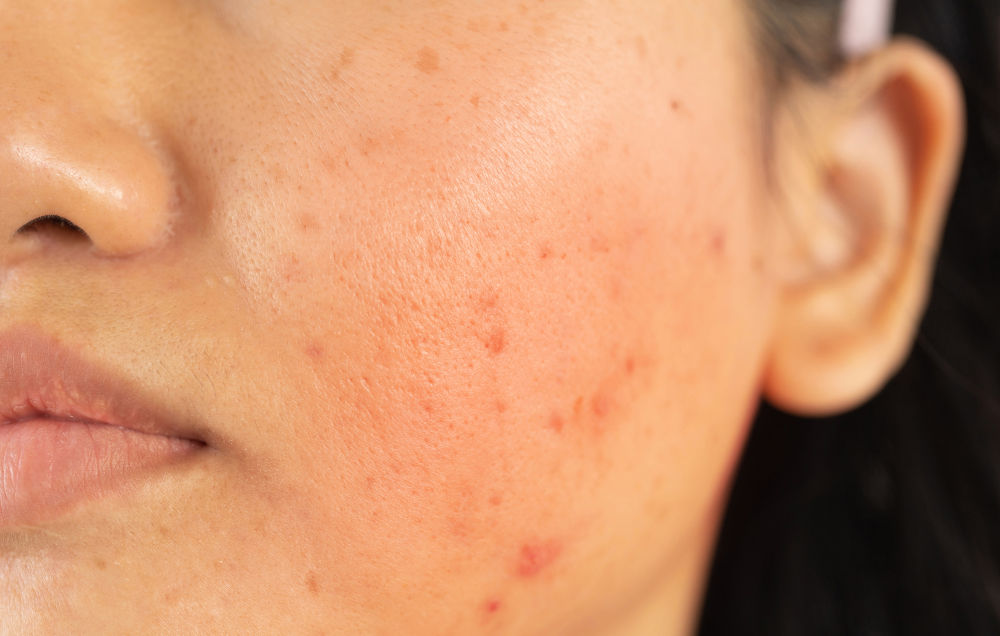
Acne scars don’t all look — or behave — the same. Some sit deeper in the skin as indentations, others show up as uneven texture, and some are actually lingering colour rather than true scarring. That’s where a lot of confusion begins. Many people search for the “best acne scar treatment,” expecting a single solution, when in reality the right approach depends on the type of scar, your skin characteristics, and how much downtime you’re comfortable with.
In clinical practice, acne scar treatment is rarely one-size-fits-all. Rolling scars respond differently than boxcar scars. Pigmentation requires a different strategy than structural changes in the skin. And some treatments work best when combined rather than used alone.
This guide walks through the most commonly recommended options — laser for acne scars, microneedling, PRP, and chemical peels — and explains how they differ, where they work best, and what to realistically expect. A personalised consultation is always the starting point, but understanding the options helps you ask better questions and make more confident decisions.
Key Takeaways
- The best acne scar treatments in Toronto depend on scar type, depth, and skin tone
- Laser, microneedling, PRP, and chemical peels all target different aspects of scarring
- Some treatments improve texture, while others focus more on pigmentation
- PRP is often used as a supportive treatment rather than a standalone option
- Combination treatment plans are often more effective than a single approach
- Skin type and downtime tolerance play an important role in treatment selection
- A professional consultation is key to choosing a safe and effective plan
What Types of Acne Scars Can Be Treated?
Not everything that looks like an acne scar is actually a scar.
True acne scars are usually atrophic, meaning there’s a loss of tissue that creates indentations in the skin. These include:
- Rolling scars — softer, wave-like depressions
- Boxcar scars — more defined edges with a wider base
- Ice pick scars — deeper, narrow indentations
Then there are post-inflammatory marks, which are often mistaken for scars. These are areas of pigmentation or redness left after acne heals. They sit on the surface and behave very differently from structural scars.
This distinction matters.
Treatments that improve texture (like microneedling or laser) are designed to stimulate collagen and remodel the skin. Treatments for pigmentation (like chemical peels) work more at the surface level.
Skin tone also plays a role. Some treatments need to be adjusted or selected carefully depending on how the skin reacts to inflammation or light-based procedures.
That’s why treatment planning starts with identifying what you’re actually treating — not just how it looks at first glance.
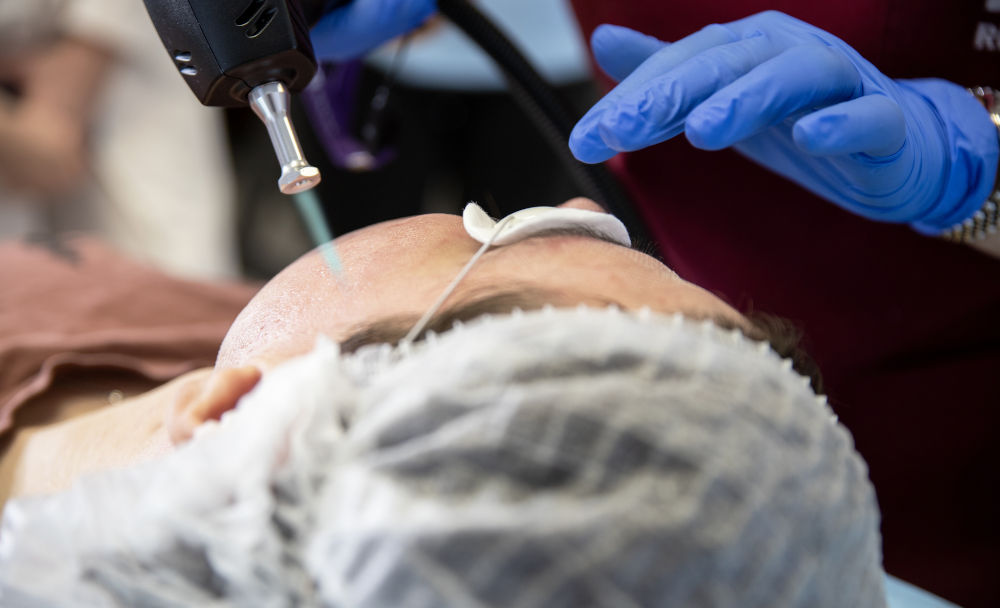
Laser Treatments for Acne Scars
Laser for acne scars is often associated with more noticeable texture improvement. It works by delivering controlled energy into the skin, encouraging collagen production and resurfacing uneven areas.
In simple terms, laser treatments help the skin rebuild itself in a more even way.
They are commonly used for:
- texture irregularities
- rolling and boxcar scars
- overall skin resurfacing
Different types of laser treatments exist, ranging from more intensive resurfacing options to gentler approaches with less downtime.
The trade-off tends to be recovery time. Some laser treatments require a short period of visible redness or peeling, while others are designed to minimise downtime but may need multiple sessions.
Because response varies based on skin tone and sensitivity, laser acne scar treatment should always be selected carefully. In many Toronto clinics, laser is not used in isolation but as part of a broader acne scar treatment plan.
Microneedling for Acne Scars
Microneedling for acne scars is often recommended for patients looking to improve texture with less downtime.
The treatment uses very fine needles to create controlled micro-injuries in the skin. This triggers a natural healing response, encouraging collagen production and gradual smoothing of the surface.
It’s commonly used for:
- mild to moderate acne scarring
- uneven texture
- early-stage structural changes
The process is gradual. Most patients require a series of sessions rather than a single treatment.
Compared to some laser options, downtime is usually shorter — often limited to redness for a day or two — which makes it appealing for those balancing treatment with a busy schedule.
That said, results are progressive rather than immediate. It’s not a quick fix, but it can be effective when used consistently or combined with other approaches.
PRP for Acne Scars
PRP for acne scars is often discussed as a regenerative treatment.
It involves using a small amount of your own blood, processed to concentrate growth factors, which are then applied to the skin — often during or after microneedling.
On its own, PRP is not typically used to treat deeper acne scars. Its role is more supportive.
It can help:
- enhance healing
- improve skin quality
- support collagen production when combined with other treatments
Because it’s derived from your own blood, it’s generally well tolerated.
Most commonly, PRP is used as part of a combination plan rather than a standalone acne scar treatment.
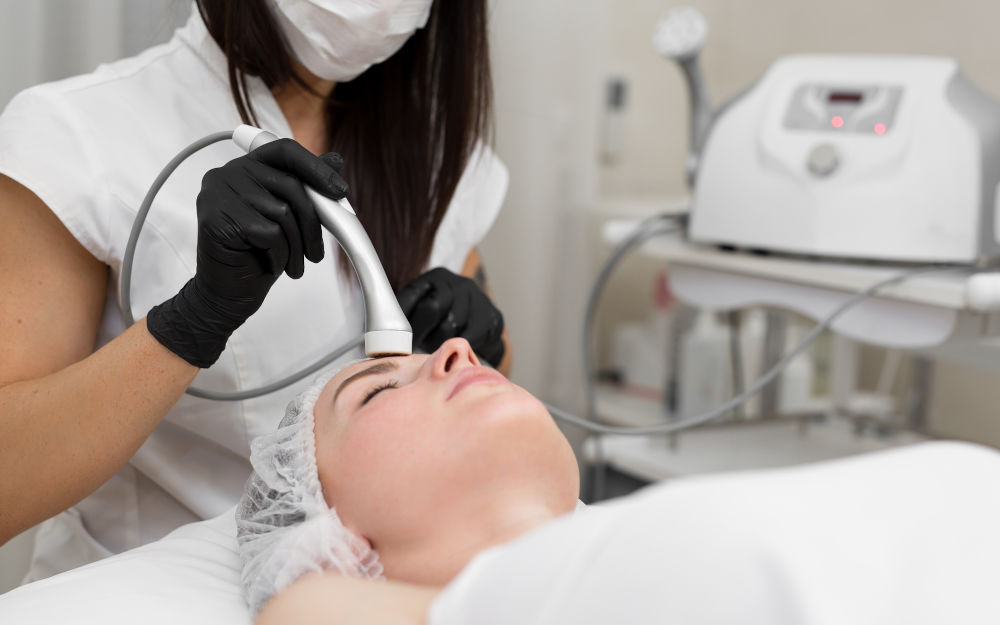
Chemical Peels for Acne Scars and Post-Acne Marks
Chemical peels for acne scars are often better suited for surface-level concerns.
They work by exfoliating the top layers of the skin, encouraging renewal and improving overall tone and clarity.
Peels are particularly useful for:
- post-acne pigmentation
- uneven skin tone
- mild surface texture
They are less effective for deeper, pitted scars, which require treatments that stimulate collagen deeper in the skin.
One of the key considerations is selecting the right type and strength of peel. This depends on skin type, sensitivity, and history of acne or inflammation.
When used appropriately, chemical peels can complement other treatments and improve overall skin appearance, even if they don’t address structural scars on their own.
Which Acne Scar Treatment Is Best?
There isn’t a single answer — and that’s where most online advice falls short.
Best for texture and collagen remodelling
- laser for acne scars
- microneedling for acne scars
These treatments focus on rebuilding the skin’s structure.
Best for post-acne pigmentation
- chemical peels for acne scars
- targeted skin treatments for tone and clarity
These work more at the surface level.
Best as part of a combination plan
- microneedling + PRP for acne scars
- laser combined with supportive skin treatments
In many cases, combining approaches leads to more balanced results.
The best acne scar treatment in Toronto depends on:
- the type of scar
- how deep it is
- your skin tone
- how your skin heals
- how much downtime you’re comfortable with
A personalised plan tends to outperform any single “popular” treatment.
Acne Scar Treatments at Philosophy of Beauty
At Philosophy of Beauty, acne scar treatment is approached as a tailored process rather than a preset package.
Each consultation begins with a detailed skin assessment. This includes looking at scar type, skin behaviour, and previous treatment history. From there, a plan is developed based on what is most likely to produce consistent, safe improvement.
Patients from Toronto, North York, and Vaughan often come in expecting one treatment, but leave with a more structured plan that may combine multiple approaches over time.
The focus is not just on improving the appearance of scars, but on doing so in a way that respects the skin’s long-term health.
Booking a consultation allows for a clearer understanding of what your skin actually needs — rather than guessing based on general information.
Final Thoughts: Choosing the Right Acne Scar Treatment
Acne scars can often be improved significantly, but rarely with a single universal solution.
The most effective results usually come from understanding the type of scar first, then selecting the right combination of treatments. Texture, pigmentation, and skin behaviour all need to be considered together.
If you’re exploring acne scar treatment in Toronto, the most useful step is a professional assessment. It helps move from general advice to a plan that actually fits your skin.
FAQ
What is the best acne scar treatment in Toronto?
It depends on the type of scar. Laser, microneedling, PRP, and chemical peels all serve different purposes.
Is laser better than microneedling for acne scars?
Laser may be more effective for deeper texture changes, while microneedling is often used for milder scarring or lower downtime.
Does PRP help acne scars?
PRP can support healing and improve results when combined with other treatments.
Are chemical peels effective for acne scars?
They are more effective for pigmentation and surface concerns than deep scars.
Which acne scar treatment has the least downtime?
Microneedling and lighter peels typically involve less downtime than more intensive laser treatments.
How many sessions are needed?
Most treatments require multiple sessions, depending on severity.
Can darker skin tones be treated safely?
Yes, but treatment choice and settings must be carefully selected.
Can acne scars be removed completely?
They can often be improved significantly, but complete removal is not always realistic.