
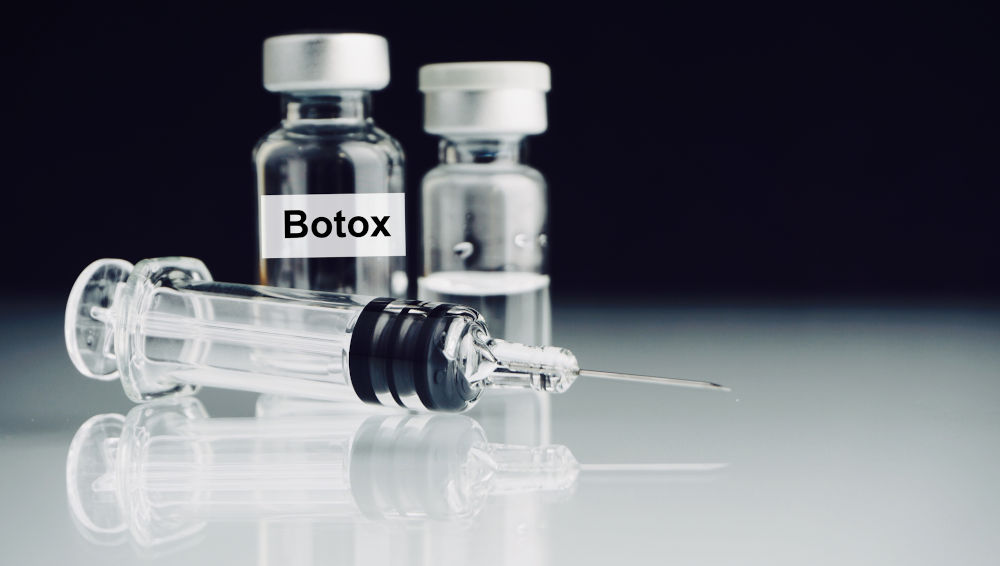
Preventative Botox has become one of those topics that seems to be everywhere — especially on social media. It’s often presented as a simple idea: start early, relax facial movement, and delay wrinkles before they fully form.
On the surface, it makes sense.
But in practice, it’s not that straightforward. Some people in their 20s and 30s may benefit from early treatment. Others simply don’t need it yet. And in some cases, starting too early — or without a clear plan — can lead to results that feel unnecessary or overly treated.
The question isn’t just “when to start Botox”, but whether it makes sense for your face at all right now.
This guide looks at what preventative Botox actually is, how it works, who it’s suited for, and when it may be more trend-driven than clinically useful. The goal is not to push treatment, but to help you make a decision that feels informed — and appropriate for you.
Key Takeaways
- Preventative Botox is designed to soften repeated facial movement before deeper lines settle
- It can be useful for some patients, but not everyone in their 20s or 30s needs it
- Age alone isn’t the best guide — muscle activity and skin behaviour matter more
- Starting too early without a plan can lead to unnecessary treatment
- A conservative approach tends to look more natural over time
- Skincare, sun protection, and lifestyle still play a major role in how skin ages
- A professional consultation helps determine whether preventative Botox is appropriate
What Is Preventative Botox?
Preventative Botox refers to using neuromodulators before lines become deeply visible at rest.
There are two types of lines to think about:
- Dynamic lines — these appear when you move your face (frowning, smiling, raising your eyebrows)
- Static lines — these remain visible even when your face is at rest
Preventative Botox is usually introduced at the stage where dynamic lines are starting to leave a faint imprint, but haven’t fully settled into static lines yet.
The idea is simple: reduce repetitive movement early enough that the skin doesn’t crease in the same way over time.
Common early-treatment areas include:
- forehead lines
- frown lines (between the brows)
- crow’s feet
That said, not every visible line needs treatment. Some expression is normal — and part of how the face looks natural.
How Preventative Botox Works
Botox works by temporarily relaxing specific muscles.
When those muscles contract less forcefully, the skin above them doesn’t fold as deeply or as often. Over time, this may reduce the likelihood of lines becoming more defined.
But it’s important to keep expectations realistic.
Preventative Botox does not “freeze ageing.” It doesn’t stop skin from changing, and it doesn’t guarantee that wrinkles won’t develop later.
What it can do — when used appropriately — is soften the intensity of repeated movement patterns.
Treatment also isn’t permanent. Results wear off gradually, which means maintenance becomes part of the long-term plan if you choose to continue.
This is why a measured approach matters more than simply starting early.
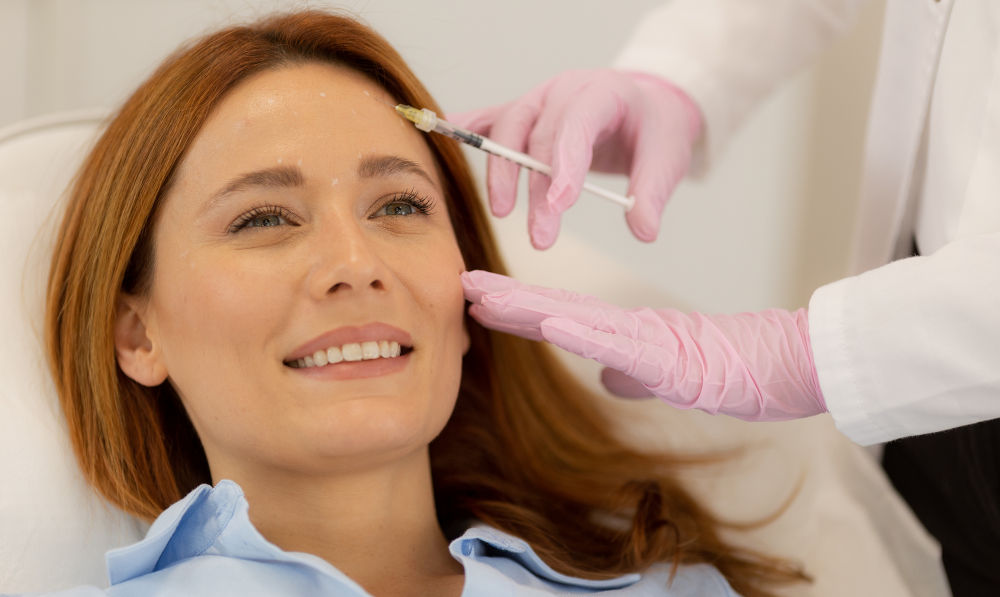
Who Might Benefit from Preventative Botox in Their 20s or 30s?
Some people are more likely to benefit than others — regardless of age.
Patients who tend to see results earlier often have:
- strong or expressive muscle movement
- lines that linger briefly after facial expressions
- a genetic tendency toward earlier line formation
Lifestyle also plays a role.
Sun exposure, smoking, chronic stress, and dehydration can all influence how the skin responds over time. In these cases, lines may appear more quickly or become more noticeable.
But even then, it’s not automatic.
Two people in their late 20s can have completely different needs. One may already notice early lines forming, while the other has smooth skin with minimal movement patterns.
That’s why assessment matters more than the number on your birthday.
When Preventative Botox May Be Unnecessary or Overhyped
This is where the conversation needs balance.
If facial movement is soft and lines disappear fully at rest, treatment may not be necessary yet. Starting purely because “it’s the right age” isn’t a strong reason on its own.
Social media has amplified the idea that preventative Botox is something you should be doing early — almost as part of routine self-care. In reality, it’s optional.
There’s also the question of overuse.
Too much product, or treatment without a clear plan, can lead to a look that feels restricted or less natural. That tends to happen when the goal shifts from subtle prevention to overcorrection.
Skincare, sun protection, and overall skin health often have just as much — if not more — impact at this stage.
Preventative Botox can be useful. But it shouldn’t be treated as a default starting point.
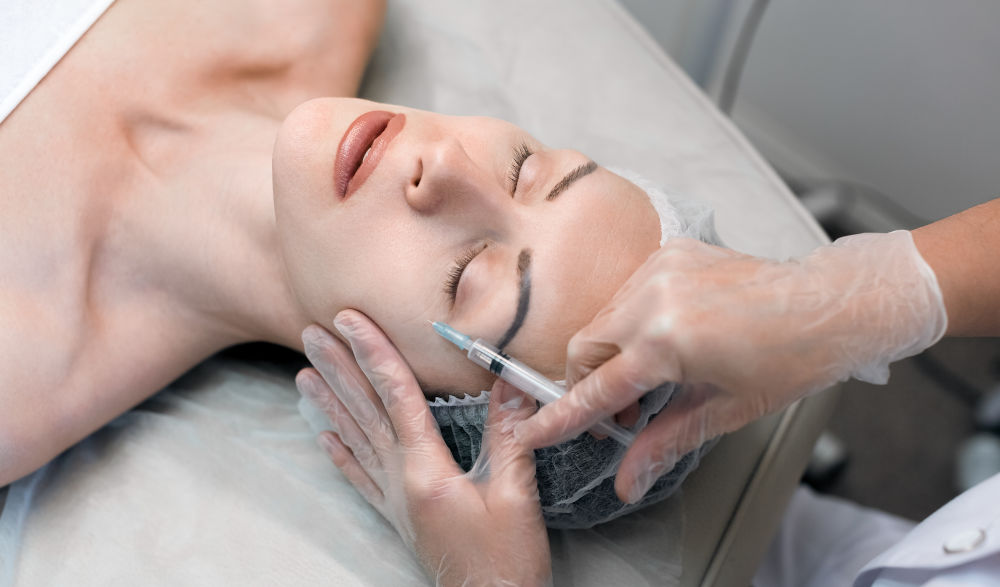
Preventative Botox in Your 20s vs 30s
There is a difference, but it’s not strictly about age — more about what’s happening in the skin.
In your 20s
Preventative Botox in your 20s is usually very selective.
It tends to suit patients with:
- very active muscle movement
- early expression lines that don’t fully disappear
Treatment, when done, is typically conservative. The aim is subtle softening rather than visible change.
In your 30s
By this stage, more people begin to notice lines that last longer after movement.
Preventative Botox in your 30s often sits somewhere between prevention and early correction.
Some areas may need a bit more attention, but the approach still depends on individual anatomy and how the face moves.
What Alternatives or Complements Should Be Considered?
Botox is only one part of a much bigger picture.
Before starting injectables — or alongside them — it’s worth looking at the basics:
- daily SPF and sun protection
- medical-grade skincare tailored to your skin type
- hydration and barrier support
- treatments that support collagen or improve skin texture
In many cases, these form the foundation. Injectables, if used, sit on top of that — not instead of it.
Preventative Botox at Philosophy of Beauty
At Philosophy of Beauty, preventative Botox is approached conservatively and individually.
Treatment isn’t based on age brackets, but on how your face moves, how your skin behaves, and what your long-term goals are.
During consultation, facial movement patterns are assessed in detail. The aim is to preserve natural expression while reducing the specific movements that may contribute to deeper lines over time.
Patients visiting from Toronto, North York, and Vaughan are often surprised to learn that not every area needs treatment — and that less can sometimes produce a more balanced result.
If treatment is appropriate, it’s planned with subtlety in mind.
Final Thoughts: Is Preventative Botox Worth It?
Preventative Botox can be useful — but only for the right patient at the right time.
For some, it helps soften strong expression patterns early. For others, it simply isn’t necessary yet.
The key is not starting because it’s trending, but because it makes sense for your face.
If you’re unsure, a consultation can help clarify whether preventative Botox fits into your plan — or whether a different approach would be more appropriate.
FAQ
What is preventative Botox?
It’s the use of Botox to soften muscle movement before deeper lines form at rest.
Is preventative Botox worth it in your 20s?
For some patients, yes — but many don’t need it yet.
Should I get Botox in my 30s before wrinkles get worse?
It depends on how your skin and muscles behave, not just age.
Can preventative Botox stop wrinkles completely?
No, it can help reduce their development but doesn’t stop ageing.
How often do you need preventative Botox?
Typically every few months, depending on how long results last.
What age should you start Botox?
There isn’t a fixed age — it depends on individual factors.
Does preventative Botox look natural?
When done conservatively, it can preserve natural expression.
Are there alternatives to preventative Botox?
Yes — skincare, sun protection, and collagen-supporting treatments all play a role.