
Key Takeaways
- More people are choosing wrinkle relaxers today, and neuromodulators like Botox and Dysport are among the most requested treatments.
- Both injectables help soften expression lines while maintaining natural facial movement.
- Although Botox and Dysport are similar, subtle formulation differences can affect how results look and feel.
- Understanding these differences is the first step toward choosing a treatment that complements your features and expressions.
- Botox and Dysport each work differently in terms of onset, diffusion, and precision.
- The “most natural” option depends on your unique anatomy, muscle strength, and aesthetic goals.
- In this article, you’ll learn how each product works, how they differ, and which one may provide the most natural effect.
- You’ll also discover how to choose the neuromodulator that best aligns with your personal goals.
What Are Botox and Dysport?
Botox and Dysport are both Health Canada–approved neuromodulators designed to soften dynamic wrinkles — the lines that form from repeated facial movements like frowning, raising the brows, or squinting. These treatments temporarily relax specific muscles to smooth creases such as crow’s feet, frown lines, and horizontal forehead lines.
Both injectables are made from botulinum toxin type A, though their formulations are slightly different. This small variation influences how quickly they start working, how far they spread within a muscle, and how they behave once injected.
It’s why you’ll often hear clients ask about Botox vs Dysport when they want results that look as natural as possible.
How Botox and Dysport Work
Mechanism of Action
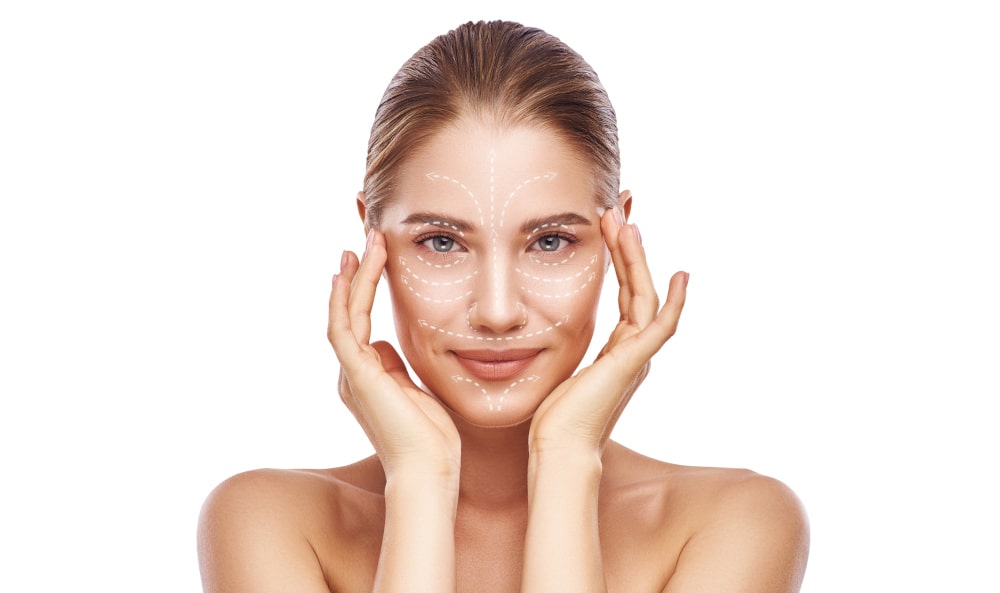
At their core, both Botox and Dysport work the same way: they block nerve signals that tell your facial muscles to contract. When the muscle relaxes, the overlying skin also relaxes, reducing visible wrinkles and preventing deeper creases from forming.
This mechanism is especially effective for:
- glabellar (frown) lines
- forehead lines
- crow’s feet
- bunny lines
- early “11s” between the brows
Results develop gradually and maintain your natural expressions — just without the harshness of deep lines.
Differences in Formulation and Spread
Dysport has a slightly smaller molecular structure. This gives it two noticeable characteristics:
- A quicker onset — many patients start to see results in 2–3 days.
- A bit more diffusion — the product spreads subtly over a wider area.
Botox has a more concentrated structure, which can offer more control and precision — ideal when a practitioner wants to isolate a very specific muscle.
This is why there isn’t an objective answer to which neuromodulator is better — it truly depends on the individual, their anatomy, and the area being treated.
Comparing Key Features: Onset, Duration, Diffusion, and Units
To make the differences clearer, here’s a breakdown of the most important characteristics of both injectables. These distinctions can help predict how your results will look and how “soft” or “precise” the outcome may be.
Botox vs Dysport differences
| Feature | Botox | Dysport |
|---|---|---|
| Onset of Results | 3–5 days | 1–3 days (slightly faster) |
| Longevity | 3–4 months | 3–4 months |
| Diffusion/Spread | More localized | Slightly broader spread |
| Unit Conversion | Higher concentration per unit | Requires more units for equivalent effect (not a downside — just different dosing) |
| Best Uses | Precise areas like crow’s feet, small lines | Larger areas like forehead or broader frown lines |
Why does this matter? Because the degree of diffusion influences how soft or sculpted your results appear. And many patients prefer one aesthetic over the other.
Which One Looks More Natural?
“Natural” means different things to different people, but in aesthetic medicine, it usually means this: you can still express yourself, but without the lines that make you look tired, stressed, or older than you feel.
Some patients feel that Dysport looks slightly softer in larger areas like the forehead because the product diffuses more widely and relaxes the entire zone more evenly. Others prefer Botox for delicate areas — especially around the eyes — where precision matters.
This is why both can be natural-looking Botox or Dysport treatments. It simply depends on:
- your muscle strength
- how expressive you are
- your facial anatomy
- and the injector’s strategy
In skilled hands, both can look beautifully natural.
Ideal Candidates and How to Choose the Right One
There’s no universal winner here — only the option that aligns with your goals.
Botox Is Often Ideal For:
- small, defined areas
- detailed control
- patients with stronger facial muscles
- first-timers who want a conservative approach
Dysport Is Often Ideal For:
- broader areas (forehead, glabella region)
- patients who want a softer blend
- those who prefer a faster onset
- people who have historically required higher doses
Most clients benefit from a personalized plan rather than a one-product-fits-all approach. This is where choosing between Botox and Dysport becomes easier with professional guidance.
Safety, Side Effects, and Aftercare
Both Botox and Dysport have long-standing safety profiles when administered by trained professionals. They have been used for decades and are well-studied.
Normal, Short-Lived Side Effects May Include:
- mild swelling or redness at injection points
- small bumps that fade within minutes
- slight bruising
- mild headache or tightness
These usually resolve quickly — often within hours.
More significant side effects are extremely rare and almost always related to improper technique or inadequate anatomical knowledge. This is why experience matters.
Aftercare Guidelines
To maximize safety and results (and align with Botox vs Dysport safety considerations):
- avoid lying down for 4 hours
- avoid strenuous exercise for the rest of the day
- skip alcohol for 24 hours (reduces bruising risk)
- avoid rubbing or massaging the area
- stay upright and avoid heat exposure
Results settle gradually over a week, with full smoothing around 10–14 days.
Why Choose Philosophy of Beauty for Your Neuromodulator Treatment
At Philosophy of Beauty, our philosophy is simple: natural results, clinical precision, and treatment plans tailored to your face — not someone else’s. Our clients from Toronto, Vaughan, and surrounding areas choose us because they want enhancements that look refreshed, not “done.”
What Sets Us Apart
- Highly trained injectors with extensive experience
- Customized treatment plans based on muscle strength, symmetry, expression patterns, and long-term goals
- Medical-grade products and safe, consistent techniques
- A focus on subtle, balanced, elegant results
Whether you’re new to neuromodulators or simply considering switching products, we’ll guide you through your options so you feel confident and informed.
If you’re searching for neuromodulator treatment Toronto Vaughan, our team would be happy to help you explore your ideal approach.
Book your consultation today and discover the most natural version of you.
Frequently Asked Questions
What is the main difference between Botox and Dysport?
They are both neuromodulators, but they differ slightly in formulation, diffusion, and onset time.
Which works faster: Botox or Dysport?
Dysport typically begins working a bit sooner — often within 1–3 days.
Can Dysport provide a more natural-looking result than Botox?
It depends on the area. Dysport may appear softer in larger zones; Botox may look more precise in smaller areas.
How long do results last for Botox vs Dysport?
Most people enjoy results for 3–4 months.
Is one safer than the other?
Both are equally safe when administered by experienced practitioners.
Are the units interchangeable between Botox and Dysport?
No. They require different dosing, but this is adjusted by the injector.
Which is better for large areas like the forehead?
Dysport often blends more softly across broader areas.
Can I switch between Botox and Dysport treatments?
Yes, many clients switch depending on goals or previous response.
What should I expect in terms of aftercare and downtime?
Minimal downtime — just temporary restrictions such as avoiding exercise, alcohol, and touching the area.
How do I choose the best neuromodulator for my face and goals?
A consultation with an experienced injector will determine the best option based on anatomy, expression patterns, and desired outcomes.