Most people hear “Botox” and immediately think of the forehead, frown lines, or crow’s feet.
Those are certainly the best-known areas. But they are not the only places where facial movement can create a concern.
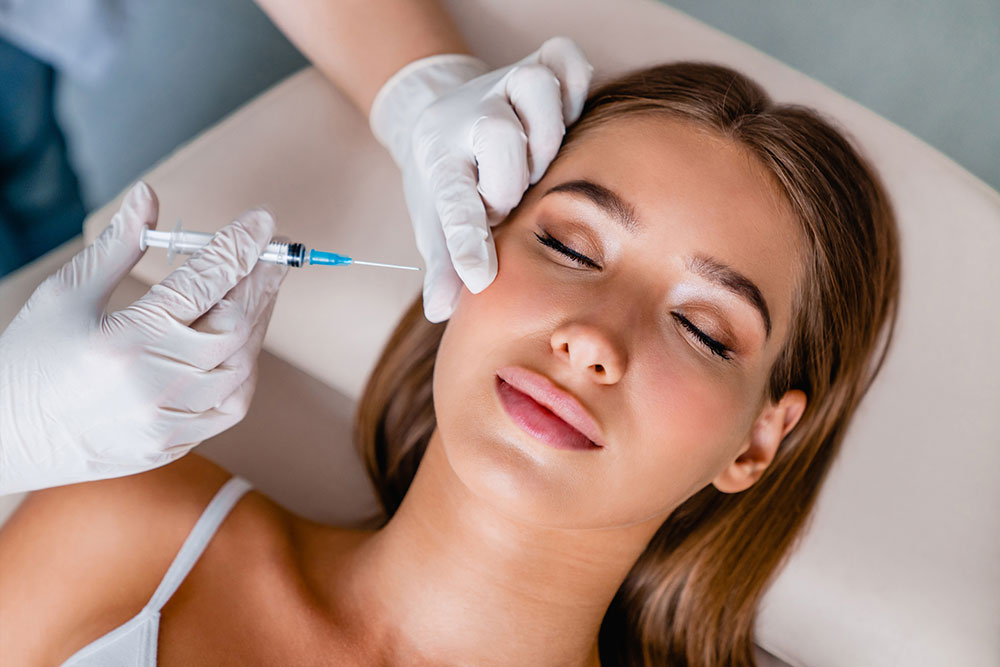
Small muscles around the nose and mouth can shape the way we smile, purse the lips, scrunch the nose, or hold tension in the lower face. In selected patients, carefully placed neuromodulator injections can soften some of these patterns without trying to change the face altogether.
The key word is selected. Not every line needs Botox, and not every gummy smile, thin-looking lip, or downturn at the mouth is caused by muscle activity.
Key Takeaways
- Botox may be used for concerns beyond forehead wrinkles, including bunny lines, certain gummy smiles, and some movement-related lip lines.
- It works by temporarily reducing activity in specific muscles; it does not replace lost volume or change bone, gum, or dental anatomy.
- Around the mouth and nose, even small changes in muscle activity can affect expression, so conservative treatment matters.
- Results differ according to the area treated, dose, anatomy, product, and individual response.
- A consultation may lead to Botox, another treatment, a combination approach, or no treatment at all.
How Does Botox Work Beyond Forehead Wrinkles?
Botox is a botulinum toxin type A neuromodulator. In simple terms, it temporarily reduces the nerve signal that tells a targeted muscle to contract.
That distinction becomes important when asking what else can Botox treat.
Some lines are mainly dynamic. They appear when you smile, squint, scrunch your nose, purse your lips, or make another expression. Others are static: they remain visible even when the face is relaxed. Static lines often involve more than muscle movement alone — skin quality, sun exposure, collagen loss, or volume loss may all play a part.
Botox tends to make the most sense when movement is driving the concern.
It can soften a dynamic crease. It cannot put volume back into a lip, repair sun-damaged skin, or reliably erase a line that has become deeply etched at rest.
Some of the uses discussed below may also be off-label in Canada, depending on the product and treatment area. That does not automatically make them inappropriate, but it does make individualized medical assessment especially important.
Botox for Bunny Lines Around the Nose
What Are Bunny Lines?
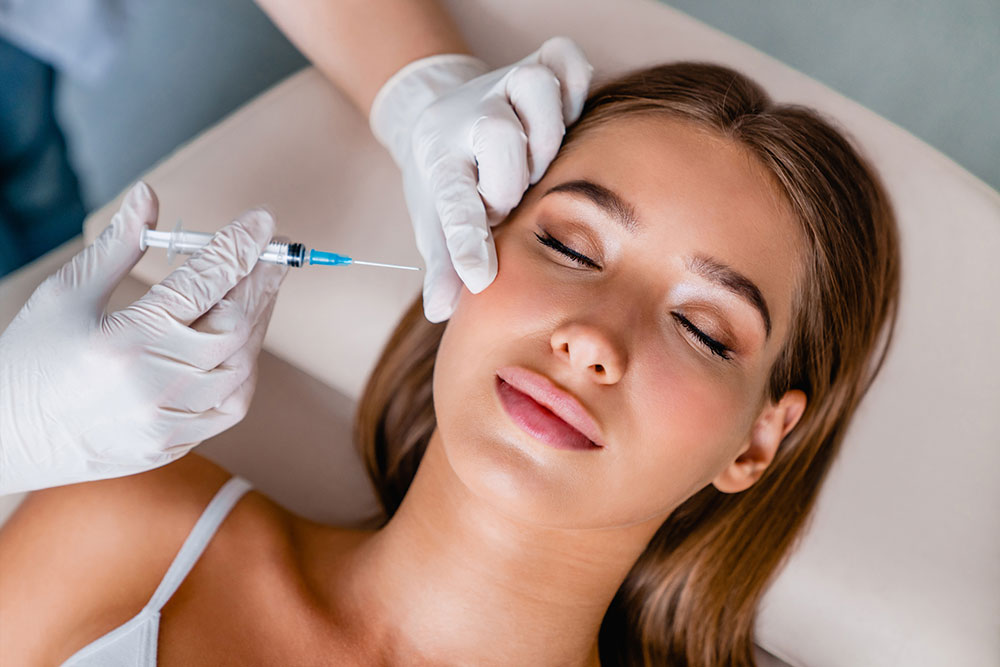
“Bunny lines” are the small diagonal creases that appear along the sides or upper bridge of the nose when you smile, laugh, or scrunch your nose.
Some people barely notice them. In others, the lines become surprisingly prominent because the muscles around the nose contract strongly during expression.
Over time, repeated movement can make those creases easier to see.
Can Botox Soften Bunny Lines?
For the right type of line, yes.
Botox for bunny lines works by reducing some of the movement responsible for folding the skin around the nose. The idea is not to make the nose completely still. It is to soften an overactive movement pattern while keeping expression looking like your own.
This is a small area, and small areas are not necessarily simple ones. Placement matters because the muscles around the nose sit close to structures involved in smiling and upper-lip movement.
Dose matters too.
Too much relaxation can create an effect that feels unnatural. Too little may make very little difference.
And if a bunny line is already clearly visible when the face is completely relaxed, Botox may soften the movement that deepens it without removing the crease itself.
That is why Botox for bunny lines is better thought of as movement control than wrinkle “erasing.”
Botox for a Gummy Smile
What Causes a Gummy Smile?
A gummy smile simply means that a noticeable amount of gum shows above the upper teeth when a person smiles.
The cause is not the same for everyone.
Sometimes the muscles that lift the upper lip are particularly active, causing the lip to rise higher during a smile. In other cases, gum proportions, tooth size, upper-lip length, jaw structure, or dental anatomy play a larger role.
Those differences matter because Botox only influences muscle activity.
How Can Botox Change the Appearance of a Gummy Smile?
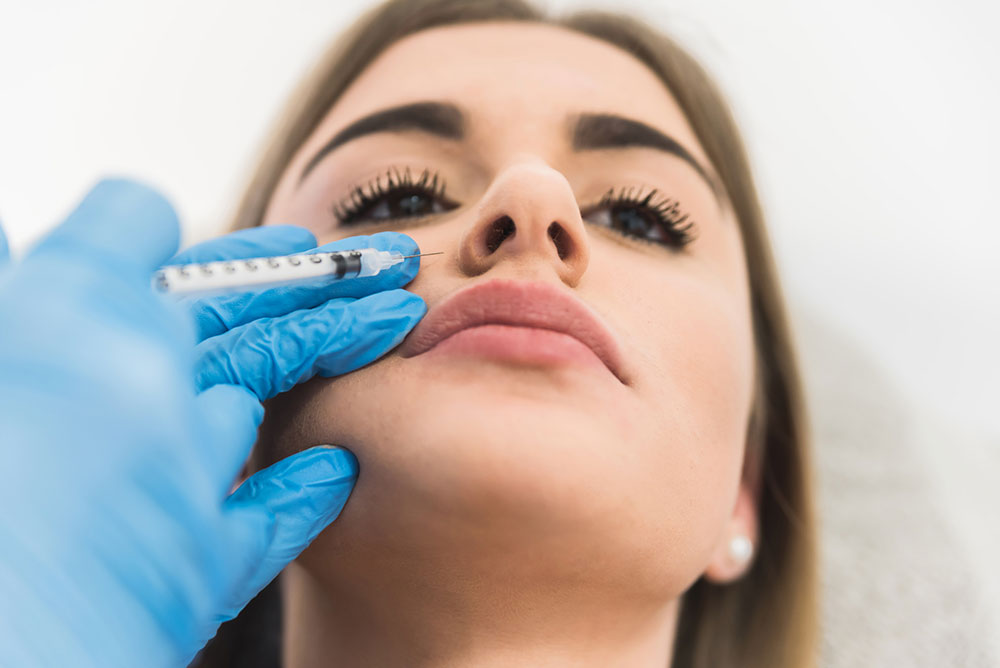
In a patient whose excessive gum display is partly caused by strong upper-lip elevation, small targeted injections may reduce how high the lip rises during smiling.
The aim of Botox for gummy smile treatment is subtle: less gum display, while the smile still looks spontaneous.
This is not an area where “more” is better.
Relaxing the upper lip too strongly can affect smiling, speech, lip movement, and the way the mouth functions. The treatment is temporary, but an unwanted result still has to wear off gradually.
As Philosophy of Beauty founder Dinara Shakirova, RN, puts it:
“Around the mouth, millimetres matter. We are not trying to stop a smile — we are trying to understand which muscle is creating the concern and whether softening that movement will actually improve the balance of the face.”
That assessment is especially important with Botox for gummy smile, because Botox will not correct gum, tooth, or jaw-related causes. Where anatomy rather than muscle activity is driving the concern, dental or specialist assessment may make more sense.
Botox for Lip Lines and a Lip Flip
Can Botox Improve Vertical Lip Lines?
Vertical lines above the mouth are often grouped together, but they are not all the same.
Fine lines that appear mainly when the lips purse may have a strong movement component. In that situation, Botox for lip lines may soften the repetitive contraction that makes them more noticeable.
Deeper lines are different.
Years of sun exposure, thinning skin, collagen loss, and loss of lip or perioral volume can leave creases visible even when the mouth is completely relaxed. Botox does not replace those structures.
That may be a situation where skin treatments, dermal filler, or another approach deserves discussion.
The muscle around the mouth also has a job beyond creating wrinkles. We use it to speak, drink, eat, whistle, kiss, and pronounce certain sounds. That is why conservative dosing is particularly important here.
What Is a Botox Lip Flip?
A Botox lip flip uses a small amount of neuromodulator around part of the upper-lip muscle.
By slightly reducing the inward pull of the muscle, more of the upper lip may become visible. The lip can appear a little more everted or defined.
It does not actually become fuller.
No volume has been added, which is the main distinction between a lip flip and lip filler.
The result is usually subtle and temporary. Some people notice temporary changes when pursing the lips or drinking through a straw because the same muscle involved in appearance is also involved in function.
Philosophy of Beauty already discusses the lip flip as a separate option from filler, including the fact that the two treatments work through very different mechanisms.
Other Cosmetic Areas Botox May Treat
Botulinum toxin is used in aesthetic medicine for more than the upper face. The American Society of Plastic Surgeons, for example, lists chin dimpling, mouth-corner pull, neck bands, bunny lines, gummy smiles, and lip lines among areas treated with neuromodulators.
A dimpled or “pebbled” chin can sometimes be linked to strong activity in the mentalis muscle. Reducing that activity may soften the texture during expression.
Likewise, downward pull at the corners of the mouth can sometimes have a muscular component. If volume loss or skin laxity is the bigger issue, however, relaxing a muscle will not correct the whole problem.
Prominent platysmal bands in the neck may also respond to neuromodulators in appropriately selected patients, although this should not be confused with the effect of a surgical neck lift.
These are recognized applications of Botox for facial wrinkles and movement patterns, but Philosophy of Beauty’s current public pages do not clearly list every one as a dedicated service. Availability and suitability should therefore be confirmed during consultation rather than assumed.
Botox vs Fillers: Which Treatment Addresses Your Concern?
The easiest way to understand Botox vs fillers is to stop thinking of them as interchangeable wrinkle treatments.
Botox changes muscle activity. Dermal fillers add or restore volume.
| Concern | What Botox may address | When another approach may be needed |
| Bunny lines | Wrinkles caused by nose-muscle movement | Lines that remain visible at rest |
| Gummy smile | Excessive upper-lip elevation caused by muscle activity | Dental, gum, or jaw-related causes |
| Vertical lip lines | Selected movement-related lines | Established skin creases or volume loss |
| Thin-looking upper lip | A subtle lip flip in suitable patients | Adding actual lip volume |
| Downturned mouth corners | Selected muscle-related downward pull | Significant volume loss or skin laxity |
Sometimes the answer is one treatment. Sometimes it is a combination. Sometimes neither injectable is appropriate.
Appearance alone does not tell us which mechanism is responsible.
When Will You See Results, and How Long Do They Last?
People often ask how long does Botox last, but there is no useful single answer for every part of the face.
Neuromodulator effects develop gradually rather than appearing the moment the injection is placed. Changes are often noticeable over the following several days, with the result commonly reassessed at around two weeks.
From there, the effect gradually wears off.
Duration depends on the product used, dose, treatment area, muscle activity, and individual response. Areas around the mouth may not behave exactly like the forehead, and a lip flip may have a different treatment interval from frown-line treatment.
Health Canada notes that Botox Cosmetic effects generally last around three to four months, although individual treatments and areas vary.
Follow-up should therefore be based on clinical assessment, not an identical calendar for every patient.
What Should You Know Before Treating Smaller Facial Areas?
Tiny injection areas can have surprisingly large functional consequences.
That is why a Botox treatment consultation around the nose or mouth should include more than pointing to a line and deciding where to inject.
Your provider should know about relevant medical history, medications, previous injectable treatments, and what you actually want to change.
Facial movement matters too.
A useful assessment looks at the face at rest and in motion: smiling, pursing, scrunching, speaking, and sometimes viewing the same movement from different angles.
Bruising, swelling, temporary asymmetry, or unwanted muscle weakness can occur. Around the mouth in particular, it is worth discussing how treatment could temporarily influence smiling, speech, or lip function.
Aftercare should also follow the instructions given for your individual treatment rather than a generic social-media checklist.
Explore Botox Treatments at Philosophy of Beauty
Philosophy of Beauty is a medical aesthetics clinic in North York, Toronto, with an established focus on individualized injectable treatment rather than a fixed pattern for every face. The clinic’s current Botox content also emphasizes preserving natural expression and tailoring dose to anatomy and muscle strength.
A Botox treatment North York consultation may involve looking at the concern you came in with and deciding that Botox is appropriate — or that filler, skin treatment, dental assessment, or no treatment is the better option.
That is the point of consultation.
Curious whether Botox could help soften bunny lines, a gummy smile, or movement-related lip lines? Book a consultation at Philosophy of Beauty to discuss your options and expected results.
Frequently Asked Questions
Can Botox get rid of bunny lines completely?
Not always. Botox can reduce the muscle movement that creates dynamic bunny lines, but a crease that is already visible at rest may remain. The degree of improvement depends on how much of the line is movement-related.
Does Botox work for every type of gummy smile?
No. It is most relevant when strong upper-lip elevation contributes to gum display. If tooth proportions, gum anatomy, jaw position, or another structural factor is responsible, a different type of assessment may be needed.
Can Botox smooth vertical lines above the lips?
It may soften fine lines that are strongly related to repeated lip movement. Deeper static lines caused by ageing, sun damage, or volume loss may respond better to another treatment or a combination approach.
What is the difference between a Botox lip flip and lip filler?
A lip flip changes muscle activity so slightly more of the upper lip shows. Lip filler physically adds volume and structure. One does not substitute for the other simply because both can change lip appearance.
Can Botox affect your smile or lip movement?
Yes. The muscles around the mouth are involved in smiling, speaking, eating, and drinking. Unwanted weakness or altered movement is possible, which is why precise placement and conservative treatment are important.
How long does Botox for a gummy smile last?
The effect is temporary and varies by patient, product, dose, and muscle activity. Rather than assuming a fixed interval, the area should be reassessed once movement gradually returns.
Can Botox help with chin dimpling?
In some patients, yes. A pebbled chin caused by strong mentalis-muscle contraction may soften when that muscle is appropriately relaxed. Other causes of chin texture or shape may require a different approach.
Are Botox treatments around the mouth painful?
Most people describe the injections as brief pinpricks, but comfort varies. The area is sensitive, and several small injections may be needed depending on the treatment plan.
Can I have Botox in several facial areas during one appointment?
Potentially, yes. Treating several areas may be appropriate when each has been assessed individually. The decision depends on anatomy, goals, previous treatment, medical history, product choice, and the total treatment plan.