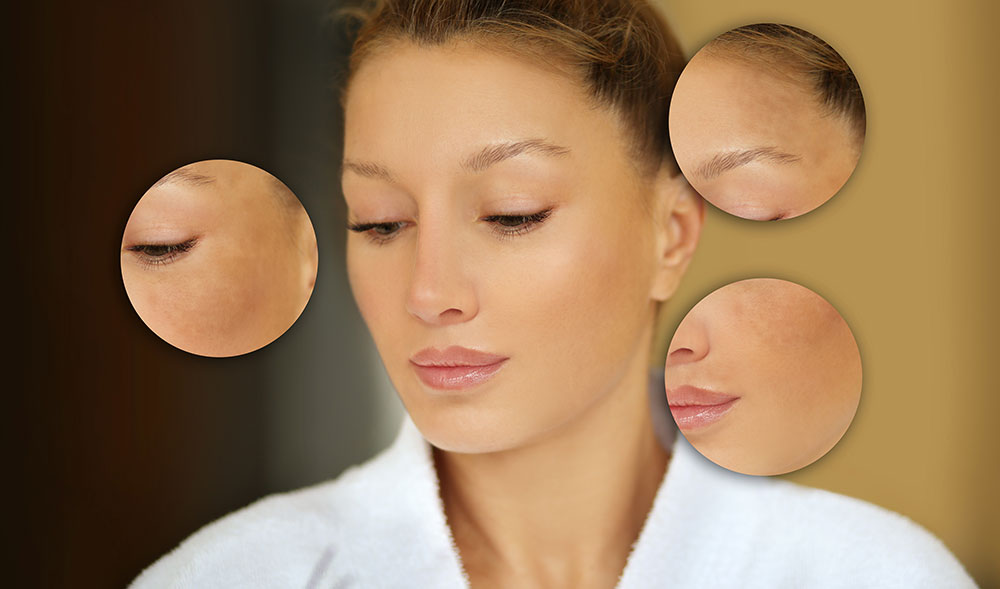
A brown mark appears on the cheek. Another sits near the temple. There may also be a darker patch above the lip that becomes more noticeable every summer.
It is tempting to call all of them sun damage and look for one product or procedure that promises to fade dark spots on the face. In practice, those three marks may have little in common beyond their colour.
The patch above the lip could be melasma. The mark near the temple may be a solar lentigo, commonly called a sun spot. The spot on the cheek may be post acne pigmentation left behind after an inflamed blemish.
They do not always respond to the same treatment. In some cases, using the wrong method—or simply treating too aggressively—can leave the skin more irritated and the pigment more visible.
The useful question is therefore not only, “How do I lighten this mark?” It is, “Why did this pigment appear?”
That answer guides everything that follows.
Key Takeaways
- Not every brown mark is caused by sun damage.
- Melasma often forms broader, symmetrical patches and tends to recur.
- Sun spots are usually separate, defined marks linked to cumulative UV exposure.
- Post-inflammatory hyperpigmentation develops where the skin has previously been inflamed or injured.
- Treatment depends on the cause, depth and pattern of the pigment, as well as skin type.
- Stronger treatment is not automatically more effective.
- Daily sun protection remains important with every form of pigmentation.
- A professional assessment helps distinguish cosmetic pigmentation from marks that need medical evaluation.
Why Do Dark Spots Develop?
Melanin gives skin much of its colour. It is produced by melanocytes, cells that respond to light, hormones, inflammation and injury.
That response is protective to a point. After UV exposure, for instance, the skin produces more melanin. After a pimple, burn or rash, pigment production may increase around the healing tissue. With melasma, hormonal and environmental signals can keep melanocytes unusually active even after the original trigger is no longer obvious.
The result may be one sharply outlined spot, a group of acne marks or a broad patch with soft edges.
Genetics also matters. Some people develop pigmentation readily after even mild irritation. Others may spend years in the sun before distinct solar lentigines become visible. Post-inflammatory hyperpigmentation is particularly common and often more persistent in darker skin tones.
This is one reason a treatment recommendation cannot be based on colour alone. The provider needs to consider the pattern, recent skin history, sun exposure, medications, hormonal factors, previous procedures and the behaviour of the mark over time.
A changing or unusual pigmented lesion should be assessed medically before any cosmetic procedure. Laser and chemical peel treatments are intended for appropriate benign pigmentation, not for diagnosing an unexplained skin lesion.
What Is Melasma?
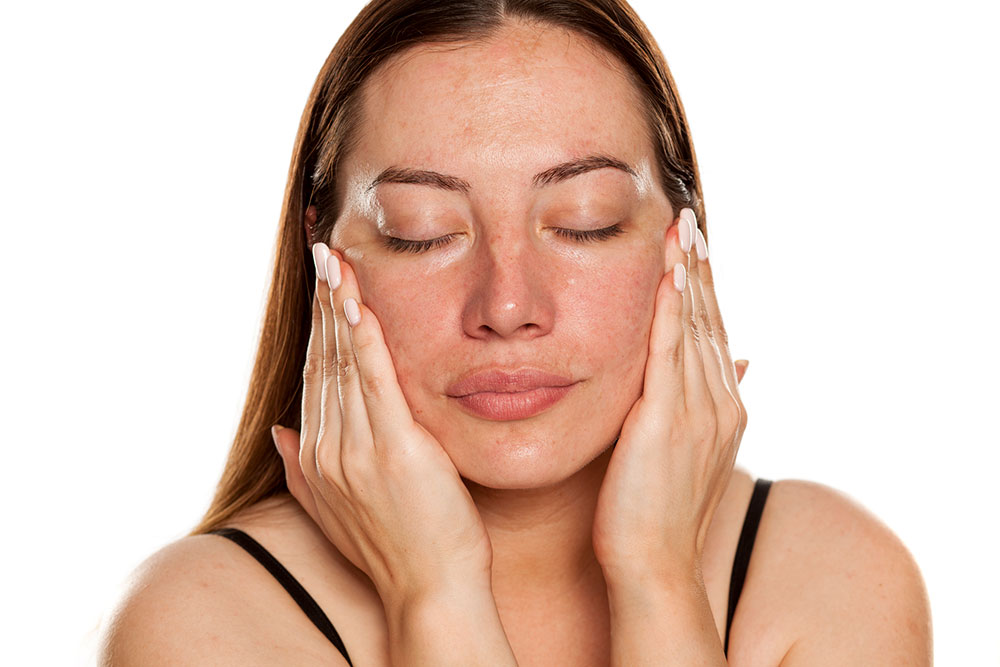
Melasma usually looks more like a wash of pigment than a collection of separate spots.
It often develops across both cheeks, the forehead, the bridge of the nose or the area above the upper lip. The two sides may not be identical, but the overall pattern is frequently symmetrical. Colour can range from light brown to grey-brown, depending partly on skin tone and how deeply the pigment sits.
Pregnancy is a familiar trigger, which is why melasma is sometimes called the “mask of pregnancy.” Hormonal birth control and other hormonal changes may also play a role. Yet not everyone with melasma can point to one clear event. Family tendency, light exposure and heat may all be part of the story.
Melasma behaves differently from a typical sun spot because the pigment-producing process remains reactive. A patch may fade during the winter and deepen again during summer. It may improve with treatment, then return after a sunny holiday or a period of inconsistent sunscreen use.
The American Academy of Dermatology describes melasma as a condition that can be controlled with a combination of treatment and sun protection. Tinted sunscreen containing iron oxide may be useful because visible light, as well as ultraviolet radiation, can aggravate the condition.
This tendency to recur shapes melasma treatment. The plan often begins with calming pigment production rather than immediately reaching for the strongest laser or deepest peel. Maintenance is usually part of the discussion from the beginning.
What Are Sunspots?
Sun spots, or solar lentigines, tend to be easier to pick out individually.
They are usually flat, tan-to-brown marks with a defined border. Some are small and freckle-like; others become larger over time. They commonly appear on areas that have accumulated years of UV exposure: the face, upper chest, shoulders, forearms and backs of the hands.
One side of the face may have more than the other. A driver, for example, may notice greater sun damage on the side closer to the window. The pattern does not usually mirror itself in the way melasma often does.
Sun spots are associated with cumulative exposure rather than a single recent sunburn. They become more common with age, although younger adults who have had considerable UV exposure may develop them too.
A sun spot treatment may focus directly on individual lesions. Depending on skin type and the appearance of the spots, options may include pigment-targeting laser or light treatment, a chemical peel, topical skincare or a planned combination.
Still, not every flat brown mark is a solar lentigo. Freckles, moles, seborrhoeic keratoses and other lesions can look similar from a distance. A provider should examine a spot before treating it as routine sun damage.
What Is Post-Inflammatory Hyperpigmentation?
Post-inflammatory hyperpigmentation, or PIH, leaves a record of something that happened earlier.
After acne settles, the skin may be flat but remain brown, grey-brown, purple or reddish-brown. The same reaction can follow eczema, dermatitis, a burn, an insect bite, a scratch or irritation from a cosmetic treatment.
The location often provides the clue. A mark appears exactly where the pimple, rash or injury used to be.
PIH can affect any skin tone, though it is often darker and longer-lasting in medium and deeper complexions. Pigment may sit near the surface or drop deeper into the skin after more substantial inflammation, which affects both its colour and the speed at which it fades.
With post acne pigmentation, treating the leftover marks is only half the job. If new inflammatory blemishes continue to develop, new pigment continues to appear. A sensible plan may therefore address acne first or treat both concerns alongside each other.
These flat marks are not the same as acne scars. A scar changes the structure of the skin. It may be indented, raised or uneven. PIH changes colour. Many patients have both, but one laser setting or peel is unlikely to correct pigment and deeper scar texture equally well.
Melasma vs Sun Spots vs PIH
The table below shows common differences. Real skin does not always fit neatly into one column, and mixed pigmentation is common.
| Feature | Melasma | Sun spots | Post-inflammatory hyperpigmentation |
| Typical trigger | Hormonal influence, UV and visible light, genetic tendency | Years of cumulative UV exposure | Acne, eczema, irritation, injury or another inflammatory event |
| Pattern | Broader patches with softer borders | Separate, defined spots | Marks left where inflammation occurred |
| Symmetry | Often appears on both sides of the face | Usually irregular or scattered | Follows the location of the original inflammation |
| Common areas | Cheeks, forehead, upper lip, nose, chin | Face, chest, shoulders, hands, forearms | Anywhere the skin was inflamed |
| Behaviour | Often fluctuates and recurs | Existing spots may remain stable; new spots can develop | Gradually fades, but returns if new inflammation occurs |
| Treatment style | Controlled, usually long-term management | Often targeted lesion treatment | Reduce inflammation first, then address remaining pigment |
The phrase melasma vs sun spots suggests a clean either-or distinction. In reality, one patient may have both, along with several acne marks around the chin.
That mixed picture is exactly where a blanket “brightening” treatment becomes less useful. Each pigment type may need a different order, intensity or device.
Why Pigmentation Sometimes Looks Worse After Treatment
Skin does not always respond to irritation by becoming clearer. In pigment-prone skin, inflammation itself can stimulate more melanin.
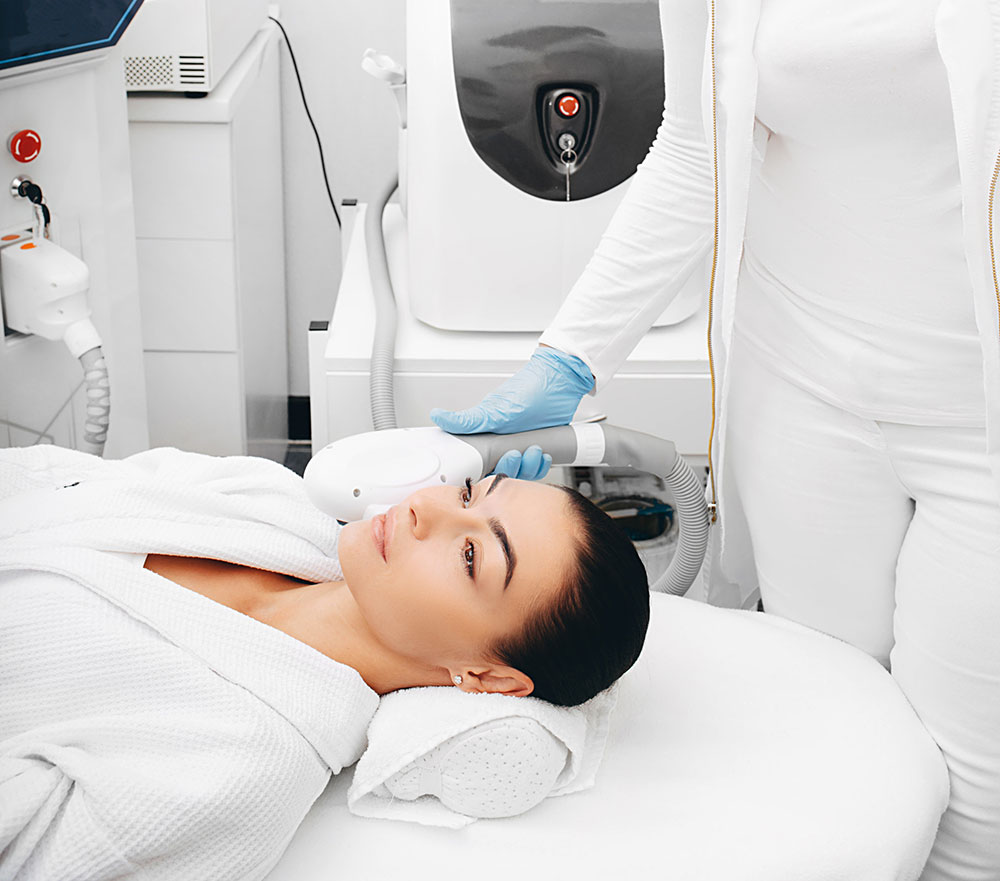
A peel that is too strong, a laser treatment chosen without enough regard for skin tone, or a complicated home routine that leaves the face red and stinging may all lead to fresh discolouration. DermNet notes that resurfacing procedures can improve some pigmentation concerns but may also injure the epidermis and produce additional pigment.
Melasma deserves particular care. Heat, light and inflammation may reactivate it. Lasers can sometimes have a place in melasma management, but it is rarely as simple as targeting an isolated brown spot and considering the job finished. Both DermNet and current dermatology guidance caution that lasers and chemical peels may worsen melasma or provoke PIH when used inappropriately.
Other avoidable problems include treating recently tanned skin, picking after a peel, combining several strong acids or retinoids without guidance, and neglecting sunscreen once the initial redness has settled.
The safest plan is not necessarily the mildest possible plan. It is the plan matched to the actual pigment and the skin’s likely response.
Which Professional Treatments May Be Considered?
There is no mandatory treatment ladder. Some patients start with medical-grade skincare. Another may be a suitable candidate for a targeted laser from the outset. Someone with active acne and PIH may need the breakouts brought under control before a corrective procedure makes sense.
Medical-Grade Skincare
Topical treatment can slow excess pigment production, encourage more even turnover and support results from in-clinic procedures.
Hydroquinone may be used for selected pigmentation concerns under professional direction. Retinoids help regulate cell turnover. Azelaic acid is useful when acne and pigment coexist. Vitamin C, niacinamide, kojic acid, arbutin and other pigment-correcting ingredients may also appear in a planned routine.
Tranexamic acid is used in some melasma protocols, topically or through medical prescribing in carefully selected cases. It is not a casual over-the-counter recommendation for everyone.
A skin-brightening routine also needs to be tolerable. If several active products continually burn, peel or inflame the face, the routine may work against its purpose.
Chemical Peels
A superficial chemical peel for pigmentation may help lift surface discolouration and improve uneven tone. It can be useful for selected post-acne marks, sun damage and dullness.
The word “peel” covers very different treatments, however. Acid choice, concentration, contact time and depth alter both the result and the recovery. Melasma-prone or PIH-prone skin usually calls for more restraint, not a race toward visible peeling.
Chemical peels may form one part of melasma management, but they do not remove the underlying tendency to produce pigment.
Laser and Light Treatments
Laser and light devices can be highly effective when the target is appropriate.
Individual solar lentigines often respond more predictably than diffuse melasma. Certain devices can target excess pigment while leaving much of the surrounding tissue unaffected. IPL may be useful for broader photodamage in a suitable skin type, while picosecond or other pigment-specific platforms may be chosen for particular lesions.
A laser pigmentation treatment must account for skin tone, recent sun exposure, pigment depth and the suspected diagnosis. The same settings should not be carried from one patient—or one brown mark—to another.
Philosophy of Beauty currently lists PicoWay and other laser or light-based options within its pigmentation services, alongside medical-grade skincare. The clinic’s own treatment information reflects the need to choose the platform according to the pigmentation concern rather than treating all discolouration alike.
Combination Treatment
Combination treatment does not mean performing several procedures at once.
Often it means putting the steps in a more useful order. A patient may spend several weeks stabilizing acne and introducing pigment-regulating skincare. A peel or laser session may follow. Maintenance products and sun protection continue between appointments.
For melasma, skincare and light protection may remain the centre of the plan, with procedures used selectively. For sun spots, the procedure may do more of the visible work. For PIH, preventing new inflammation can matter as much as fading the old marks.
HydraFacial may occasionally be added for hydration, congestion or gentle surface care. It should not be presented as a primary melasma treatment or as a substitute for proper pigment assessment.
Will Pigmentation Come Back?
Sometimes.
A treated sun spot may clear while another develops later on a different part of the face. PIH may fade, then reappear after a new acne flare. Melasma is particularly likely to return because treatment does not remove the underlying hormonal and light-sensitive tendency.
Daily broad-spectrum sunscreen is therefore not an optional finishing touch. It is part of the treatment.
For melasma-prone skin, a tinted formula containing iron oxide may offer useful protection from visible light. Hats, shade and sensible timing of outdoor exposure also matter. Skincare should continue at the frequency recommended rather than being stopped the moment pigment improves.
Avoiding unnecessary irritation is useful too. Picking acne, repeatedly over-exfoliating and moving too quickly between procedures can create the very inflammation that triggers more pigment.
Recurrence does not always mean that the earlier treatment was unsuccessful. It may mean that the skin still requires maintenance.
Pigmentation Treatment at Philosophy of Beauty
Philosophy of Beauty provides pigmentation treatment Vaughan patients can access from across Toronto and the Greater Toronto Area.
The consultation is used to look beyond the general label of “dark spots.” The provider assesses the pattern, colour and likely depth of the pigment, together with skin type, hormonal history, acne, sensitivity, current products, recent tanning and previous procedures.
That examination may point toward medical-grade skincare, chemical peels, a laser or light-based treatment, or a staged combination. It may also reveal that a mark should be medically assessed before cosmetic treatment begins.
“Many pigmentation concerns look similar in the mirror, but they often require completely different treatment approaches. Identifying the underlying cause is one of the most important steps in achieving safe and lasting improvement.”
— Philosophy of Beauty
For patients comparing pigmentation treatment Toronto and Vaughan options, the most useful starting point is not choosing a device from a list. It is finding out what type of pigment is actually present and what the skin can tolerate safely.
Frequently Asked Questions
How can I tell if I have melasma or sun spots?
Melasma usually forms broader patches, often on both sides of the face. Sun spots are more commonly separate marks with clear borders on areas that have received years of UV exposure. The distinction is not always obvious, especially when both are present.
What causes melasma?
Melasma is associated with hormonal influence, genetic susceptibility, ultraviolet radiation and visible light. Pregnancy and hormonal contraception are common triggers, but some patients develop it without one identifiable hormonal event.
Can acne leave permanent dark spots?
Many acne marks fade gradually, though deeper pigment can remain for months or longer. New breakouts, sun exposure and picking tend to prolong the problem. Persistent marks may benefit from professional treatment once the acne is being managed.
Is post-acne pigmentation the same as acne scarring?
No. Post acne pigmentation is flat and differs mainly in colour. Acne scars change the skin’s surface, creating indentations, raised areas or uneven texture. Pigment and scarring can occur together.
Which pigmentation responds best to laser treatment?
Distinct solar lentigines often respond more predictably than melasma. Lasers may also be considered for other pigmentation, but results and safety depend on pigment depth, skin tone, diagnosis and device selection.
Can melasma be permanently cured?
Melasma can often be reduced and controlled, but permanent clearance cannot be promised. It commonly recurs after light exposure or hormonal changes, so maintenance skincare and sun protection are usually needed.
Why do dark spots come back?
The trigger may still be active. Melasma remains sensitive to light and hormones, acne may create new PIH, and cumulative sun exposure can produce new solar lentigines even after earlier ones have been treated.
Does sunscreen help prevent pigmentation?
Yes. Broad-spectrum sunscreen reduces UV stimulation and supports treatment of melasma, sun spots and PIH. Tinted sunscreen with iron oxide may be especially useful in melasma management because it also helps reduce visible-light exposure.
Which pigmentation treatment works fastest?
That depends on the diagnosis. A suitable laser may improve an isolated sun spot faster than skincare alone. Melasma usually requires a slower, controlled approach. Choosing treatment only for speed may increase inflammation and lead to more pigment.
When should I see a professional about dark spots?
Arrange an assessment when the cause is unclear, the pigmentation is spreading or recurring, or home products have not helped. A mark that changes in shape, colour, size or texture, looks different from the others, or bleeds should be medically examined before cosmetic treatment.