
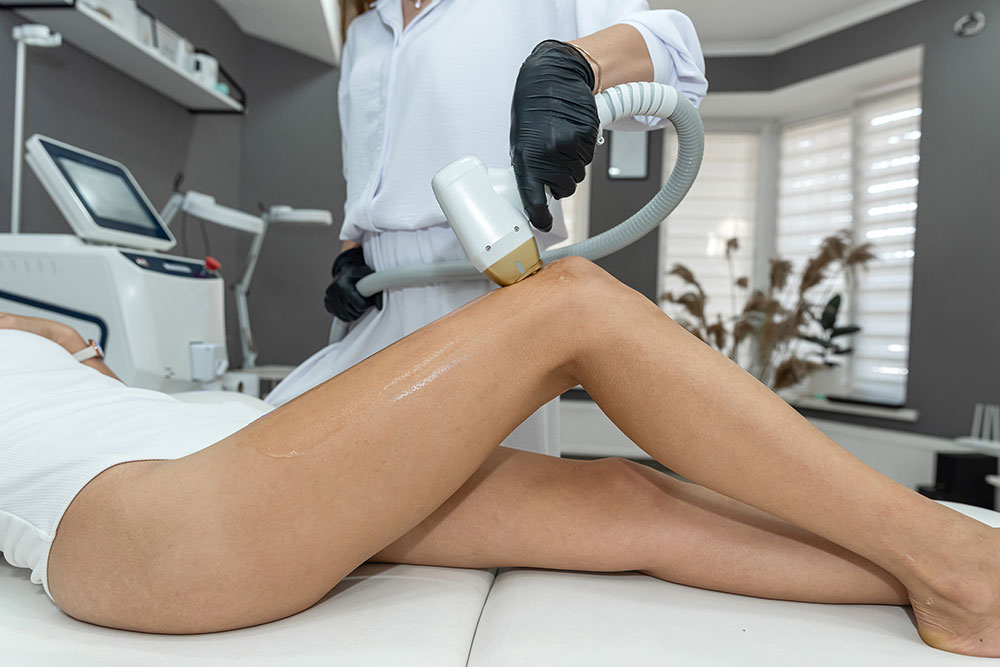
A little redness after laser hair removal is usually nothing to worry about. Small bumps around the follicles, warmth, or temporary sensitivity are also common. Burns, blisters, strong pain, or noticeable changes in skin colour are different — those are not reactions you should simply wait out without speaking to your provider.
The important thing is knowing where normal recovery ends and a possible complication begins. Laser hair removal side effects are influenced by your skin tone, recent sun exposure, the laser being used, treatment settings, and, quite simply, how your own skin reacts.
That is why good laser treatment is never just about removing hair. Skin assessment matters just as much.
Key Takeaways
- Mild redness, warmth, and swelling around individual follicles are common immediately after treatment.
- These reactions usually settle fairly quickly, although everyone’s skin recovers at a slightly different pace.
- Blisters, worsening pain, pronounced swelling, or major changes in pigmentation are not considered routine.
- A recent tan can change how skin responds to laser energy and may increase the risk of unwanted reactions.
- Laser wavelength and settings need to be chosen with skin tone, hair characteristics, and treatment area in mind.
- If something feels noticeably different from the reaction your provider prepared you for, contact the clinic.
What Are the Most Common Side Effects of Laser Hair Removal?
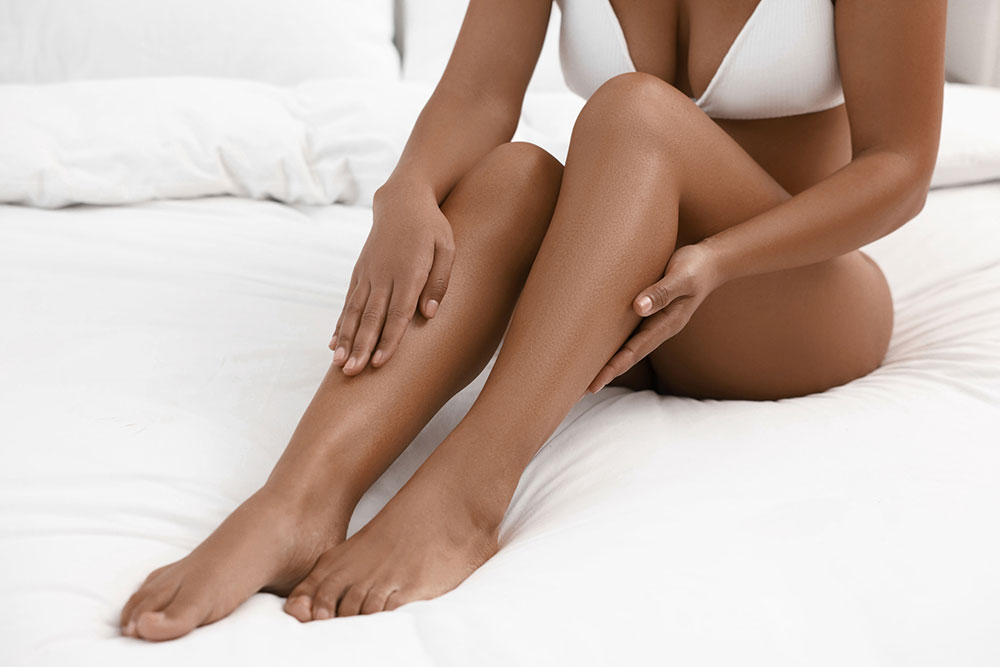
Laser hair removal uses light energy that is absorbed by pigment in the hair. This produces heat in and around the targeted follicle.
The goal is to affect the hair while limiting unnecessary heat in the surrounding skin. Even when treatment is performed correctly, however, the skin may briefly react.
Redness and Mild Swelling
The most recognizable reaction is redness.
Immediately after treatment, the area can look slightly flushed or feel warmer than normal. You may also notice tiny raised bumps around the hairs. This is known as perifollicular oedema.
It can look a little alarming if you have never had laser treatment before, but mild swelling around individual follicles is often an expected response. It usually means the treated area has reacted to the heat delivered around the hair follicle.
Both laser hair removal redness and mild swelling after laser hair removal generally begin to calm as the skin settles.
What matters is the direction the reaction is moving in. Redness that is gradually fading is very different from redness that becomes hotter, more painful, or more extensive several hours later.
Temporary Skin Sensitivity
Some people describe the skin as feeling mildly sunburned for a while after treatment.
There may be tenderness, warmth, or a little sensitivity when clothes touch the area. On the face, the skin can also feel temporarily more reactive to products that normally cause no problem.
This is a good time to simplify your routine rather than trying to “treat” the skin with multiple active products.
Gentle cooling can be soothing when recommended by your provider. Beyond that, less is often more until the initial reaction has passed.
Itching, Dryness, and Mild Irritation
A little itching or dryness can happen too.
Try not to scratch freshly treated skin. Rubbing and picking only add more irritation to an area that is already temporarily sensitive.
Mild itching is one thing. Intense itching, a spreading rash, significant swelling, or irritation that keeps getting worse is another and should be discussed with the clinic.
What Are the Less Common but More Serious Side Effects?
The majority of laser hair removal appointments do not result in serious problems. Still, it is misleading to talk about the procedure as though complications cannot happen.
Understanding the less common side effects of laser hair removal helps patients recognize when a reaction deserves closer attention.
Burns and Blistering
A true burn is not an expected part of laser hair removal.
Laser works through heat, so treatment has to account for the amount of pigment present not only in the hair but also in the skin. If too much unwanted heat is absorbed by surrounding tissue, skin injury can occur.
Recent tanning is especially relevant because it increases pigment in the skin. Treatment settings and laser selection matter as well.
Possible laser hair removal burns may present as unusually intense pain, pronounced redness, blistering, crusting, or a reaction that looks much stronger than the mild inflammation you were advised to expect.
If blistering develops, contact your provider. This is not the time for internet home remedies or aggressive skincare.
Hyperpigmentation and Hypopigmentation
Not every pigment change looks the same.
Hyperpigmentation means an area becomes darker after treatment. Hypopigmentation means the skin becomes lighter.
Inflammation itself can sometimes trigger pigmentation, particularly in skin that is already prone to post-inflammatory colour changes. UV exposure can make matters worse, which is one reason sun protection is taken seriously before and after treatment.
Laser hair removal hyperpigmentation may gradually improve, but it should not automatically be dismissed as something that will disappear within a few days.
Persistent darkening or lightening deserves assessment.
Scarring and Changes in Texture
Scarring after laser hair removal is uncommon. When it does occur, it is usually associated with a more significant skin injury or subsequent complications.
Damaged skin also needs to be left alone while it heals. Picking at crusts or blisters can create further trauma and increase the likelihood of textural change.
Eye Injury
Protective eyewear during laser procedures is not optional.
Laser energy can damage the eyes, which is why proper protection and appropriate treatment boundaries are essential, particularly when working on facial areas.
Any eye pain, visual disturbance, or change in vision following treatment requires urgent medical assessment.
How Long Do Laser Hair Removal Side Effects Last?
There is no exact recovery clock.
So when patients ask how long do laser hair removal side effects last, the most accurate answer is that it depends on the reaction.
| Reaction | General Recovery Expectations |
| Mild redness | Often begins settling within hours and may last a few days |
| Swelling around follicles | Usually short-lived and gradually decreases |
| Mild sensitivity | Should improve as the treated skin settles |
| Pigmentation changes | Can take weeks or months to improve and should be assessed |
| Burns or blistering | Recovery depends on severity and may require medical care |
These are general patterns, not deadlines.
If discomfort is clearly intensifying, you do not need to wait two or three days simply because you read that redness “can last a few days.” How the skin is behaving matters more than the number on the calendar.
What Increases the Risk of Laser Hair Removal Side Effects?
Some risk factors are obvious. Others are easy to overlook.
Recent sun exposure or tanning is one of the biggest considerations because laser treatment depends on the relationship between light and pigment.
Skin tone also matters, as does hair colour and thickness. The appropriate wavelength for one patient may not be the best choice for another.
Other things your provider may need to know about include:
- active skin irritation or infection;
- recent cosmetic procedures;
- medications;
- topical retinoids or other potentially irritating skincare;
- a history of pigmentation after inflammation;
- unusual reactions to previous laser or light-based treatments.
None of these automatically means you cannot have treatment.
Sometimes the safest decision is simply to adjust the settings, change the timing, or postpone the session until the skin is in a better condition.
Is Laser Hair Removal Safe for Darker Skin Tones?
It can be.
But laser hair removal for dark skin requires careful attention to wavelength, settings, cooling, and the amount of pigment in the epidermis.
Melanin is what allows laser hair removal to work. The challenge is that melanin is present in both hair and skin, and darker skin naturally contains more of it.
For that reason, the aim is not simply to use a “strong” laser. It is to choose technology and parameters that target the hair while limiting unnecessary heating of the surrounding skin.
Philosophy of Beauty uses the GentleMax Pro® platform, which includes both a 755 nm Alexandrite wavelength and a 1064 nm Nd wavelength.
The Nd wavelength is commonly considered when treating deeper skin tones because it is less strongly absorbed by superficial epidermal pigment than shorter wavelengths.
That does not mean one wavelength automatically suits every person with darker skin. Skin tone, tan status, hair type, treatment area, and previous reactions still need to be assessed individually.
As Philosophy of Beauty founder Dinara Shakirova, RN, explains:
“With laser hair removal, the safest treatment is never the strongest setting or the same protocol for everyone. We look at the skin in front of us that day — its tone, sun exposure, hair characteristics, and previous response — and adjust the treatment around that.”
How Can You Reduce the Risk of Side Effects Before Treatment?
A good appointment actually starts several days, and sometimes several weeks, before you arrive.
Avoid tanning and follow the clinic’s sun-exposure instructions. Tell your provider about medications, recent procedures, skin conditions, pigmentation issues, and anything that has changed since your previous appointment.
If your skin is irritated, sunburned, broken, or infected, say so.
You should also follow your clinic’s instructions about shaving and skincare products rather than relying on a generic pre-laser routine you found online.
For the full preparation process, see our guide on how to prepare for laser hair removal.
What Should You Do After Laser Hair Removal?

Good laser hair removal aftercare is mostly about allowing the skin to settle without adding unnecessary stress.
If your provider recommends cooling the area, follow those instructions. For a period after treatment, you may also be asked to avoid very hot showers or baths, saunas, heavy exercise, or other situations that create extra heat.
Your skincare routine should stay gentle.
Strong exfoliating acids, retinoids, abrasive scrubs, and products that sting the skin are best left aside until the area has recovered and your provider says you can resume them.
Sun protection is particularly important. Freshly treated skin and UV exposure are not a good combination when we are trying to minimize inflammation and pigment changes.
And resist the urge to scrub at treated hairs. Hair shedding after laser is gradual. Picking or rubbing harder will not speed it up.
When Should You Contact Your Provider After Laser Hair Removal?
Call the clinic if you notice something that seems outside the reaction you were prepared for.
That includes:
- pain that is severe or increasing;
- blistering;
- signs of a burn;
- redness or swelling that is getting worse rather than better;
- spreading redness, pus, fever, or other possible signs of infection;
- significant darkening or lightening of the skin;
- or any reaction that simply concerns you.
You do not have to work out whether something is “serious enough” before getting in touch. That assessment is part of your provider’s role.
For eye pain or any change in vision following laser treatment, seek urgent medical care.
Does Laser Hair Removal Have Long-Term Side Effects?
Most post-laser reactions are temporary.
Longer-lasting problems are possible but much less common. Significant skin injury can, in some cases, leave persistent hyperpigmentation, hypopigmentation, textural change, or scarring.
This is one reason treatment parameters and aftercare matter.
Laser hair removal targets structures associated with the hair follicle in the skin. It does not travel through the body to internal organs.
Still, saying that laser hair removal has “zero long-term risk” would be unnecessarily absolute. No energy-based cosmetic treatment should be presented that way.
How Does Philosophy of Beauty Approach Laser Hair Removal Safety?
For us, laser hair removal is not a preset number on a machine.
At Philosophy of Beauty, treatment planning considers skin tone, hair thickness and colour, treatment area, tanning history, medications, previous reactions, and the way your skin looks at the appointment itself.
GentleMax Pro® gives us access to Alexandrite and Nd wavelengths, but technology is only one part of safe treatment. The person using it still needs to make appropriate decisions about the patient in front of them.
Skin can change between appointments too.
You may have tolerated your last session beautifully and arrive for the next one with more sun exposure, a new medication, irritated skin, or a different reaction pattern. Those details matter.
If you are considering laser hair removal Toronto or looking specifically for laser hair removal North York, a consultation gives you an opportunity to discuss these factors before starting treatment.
Philosophy of Beauty welcomes patients from North York, Toronto, Vaughan, and surrounding areas. We can assess your skin and hair characteristics, talk through potential risks, and build a treatment plan based on your individual needs rather than a standard protocol.
Frequently Asked Questions
1. What are the most common side effects of laser hair removal?
Redness, mild follicular swelling, warmth, and temporary sensitivity are the reactions we see most often. Some patients also notice mild itching or dryness. These symptoms should gradually settle. Strong pain, blistering, or a reaction that becomes more inflamed over time is different and should be assessed.
2. How long does redness last after laser hair removal?
For many people, redness starts to calm within a few hours. In others, especially after treating dense or coarse hair, some redness may remain for a day or two. What we do not want to see is redness becoming hotter, more painful, or more extensive as time passes.
3. Is swelling after laser hair removal normal?
Small raised areas around treated follicles can be completely normal. This is called perifollicular oedema and is part of the skin’s short-term response to treatment. Generalized or increasing swelling, particularly when accompanied by pain or other symptoms, is a reason to contact your provider.
4. Can laser hair removal cause burns or blisters?
Yes, although they are complications rather than normal side effects. Risk may be affected by recent tanning, skin pigmentation, laser choice, treatment settings, and other factors. If you develop a blister or suspect a burn, contact the clinic rather than trying to treat it yourself.
5. Can laser hair removal cause hyperpigmentation?
It can. Darkening of the treated skin can occur after inflammation or excessive UV exposure and may be more relevant in skin that is prone to post-inflammatory pigmentation. Many changes improve with time, but persistent pigmentation deserves professional assessment rather than being assumed to be temporary.
6. Is laser hair removal safe for darker skin tones?
Laser treatment can be performed on darker skin, but technology and parameters need to be selected carefully. The 1064 nm Nd wavelength is often useful for deeper skin tones because it has less interaction with superficial epidermal melanin. Individual assessment is still essential.
7. What should I avoid after laser hair removal?
Avoid irritating the area while it is recovering. Depending on your treatment and provider’s advice, this can include excessive heat, saunas, strenuous exercise, strong exfoliants, retinoids, scrubs, and unnecessary sun exposure. Follow the instructions given for your own skin rather than a one-size-fits-all online routine.
8. When should I contact my provider about side effects?
Get in touch if you develop severe or worsening pain, blistering, increasing redness or swelling, possible signs of infection, or a significant pigment change. You should also call if a reaction simply feels unusual to you. Seek urgent care for any eye pain or visual symptoms.
9. Can laser hair removal cause permanent skin damage?
Permanent skin damage is uncommon, but it is possible after a significant burn or other complication. Persistent changes may include scarring, altered texture, hyperpigmentation, or hypopigmentation. Careful assessment, appropriate laser parameters, sun precautions, and sensible aftercare all help reduce those risks.