
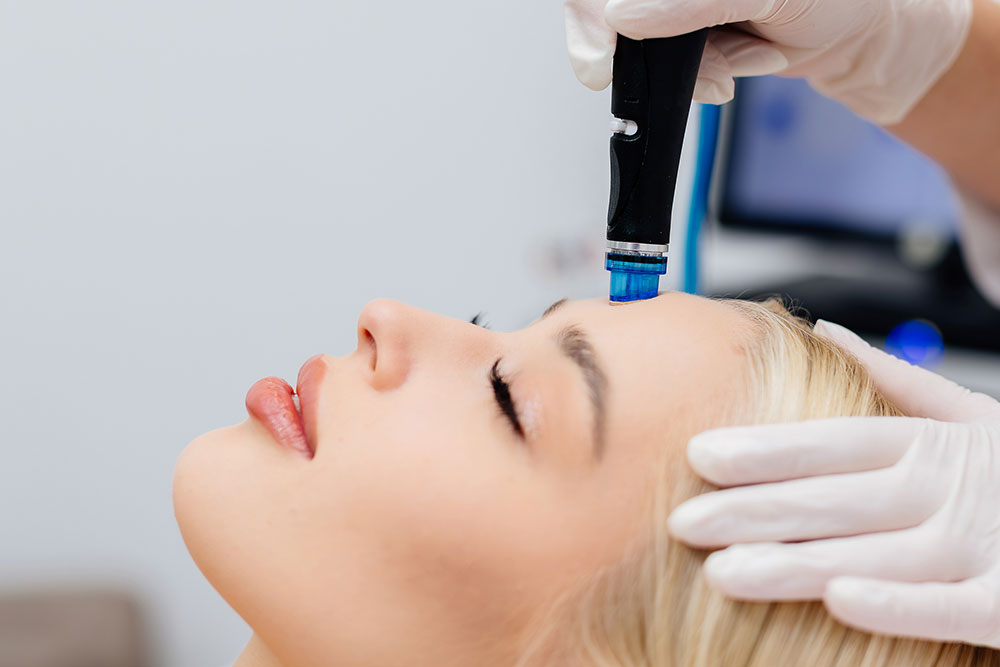
Rosacea does not behave like ordinary dryness or the occasional red patch after a harsh product. It can be quiet for a while, then suddenly show up after sun, heat, coffee, wine, stress, a workout, or a skincare product that used to feel fine. Some people mainly notice flushing. Others deal with visible vessels, tightness, burning, rough texture, or small inflamed bumps.
So where does hydrafacial for rosacea fit in?
It can be useful for some patients, but not in the way older beauty articles sometimes suggest. HydraFacial does not cure rosacea. It does not remove broken capillaries. It is not a replacement for medical care when rosacea needs prescription treatment.
What it may do, when adjusted properly, is help the skin feel cleaner, more hydrated, less tight, and a little fresher. For someone with mild redness, dryness, dullness, or a weakened barrier, that can be worthwhile. For someone in the middle of a flare, it may be the wrong day to do anything at all.
Key Takeaways
HydraFacial for rosacea may support hydration, texture, and comfort in some patients with redness-prone skin.
It should not be described as a cure or a standalone medical treatment for rosacea.
A gentle setting matters. Rosacea-prone skin can react badly to heat, friction, strong acids, and over-exfoliation.
If the skin is burning, inflamed, covered in pustules, or actively flaring, treatment should be reviewed first.
Persistent rosacea redness and visible vessels may need a vascular laser treatment rather than a facial alone.
What Is Rosacea?
Rosacea is a chronic skin condition that commonly affects the central face: cheeks, nose, chin, and forehead. It often starts with flushing that comes and goes. Over time, the redness may last longer or become more constant.
People with rosacea may notice:
- facial redness or flushing
- visible small blood vessels
- burning, stinging, or warmth
- dry or rough-feeling skin
- sensitivity to products
- small bumps or pustules in some cases
Rosacea is not just a cosmetic concern. If symptoms are strong, worsening, painful, or affecting the eyes, medical assessment is important.
Can HydraFacial Help With Rosacea?
Yes, sometimes — but with limits.
A customized hydrafacial rosacea plan may help when the skin is dry, dull, congested, or rough, and when the redness is mild enough that the skin can tolerate a gentle treatment. The benefit is usually in comfort and surface quality: better hydration, smoother feel, less tightness, and a fresher look.
Some patients leave with skin that appears calmer. Others may look pink for a short time because their skin is naturally reactive. Both responses are possible.
HydraFacial may be useful for:
- dry, tight-feeling skin
- dull tone
- rough texture
- mild congestion
- tired-looking skin
- skin that needs hydration rather than aggressive exfoliation
It should not be sold as a treatment that “removes” rosacea. If the main concern is fixed redness or visible capillaries, the conversation usually needs to include vascular laser, VBeam-style treatment, medical-grade skincare, or referral for medical rosacea care.
What Is a HydraFacial Treatment?
A hydrafacial treatment is a multi-step facial that cleanses, gently exfoliates, clears some pore buildup, and infuses the skin with hydrating ingredients. It is often chosen because it gives a polished, hydrated look without the recovery time of stronger resurfacing treatments.
For ordinary skin, the treatment can feel quite straightforward. For sensitive skin, it needs more judgement.
The provider can adjust how much exfoliation is used, how active the treatment should be, and whether certain steps should be softened or skipped. That matters because rosacea skin is not the place for a “stronger is better” approach.
Most patients have minimal downtime, but mild temporary redness can happen. In rosacea patients, that possibility should be discussed before the appointment, not after.
Why Rosacea-Prone Skin Needs a Gentle Approach
With rosacea-prone skin, the barrier is often already under pressure. The skin may flush easily, sting with products, or feel hot after small triggers. That changes how a facial should be done.
Too much friction can irritate it. Strong exfoliation can leave it tight. Heat can trigger flushing. Heavy extractions can make redness worse. Even an ingredient that is fine for one patient may be too active for another.
This is why a proper assessment matters. The provider should look at the skin on the day of treatment. Is it calm? Is it inflamed? Are there pustules? Is the patient already flushed? Did they recently use retinoids, acids, or a harsh scrub? Did they have sun exposure?
Sometimes the best choice is to make the HydraFacial gentler. Sometimes the better choice is to postpone it.
The aim is not to “deep clean” rosacea skin into submission. The aim is to support the barrier and avoid provoking it.
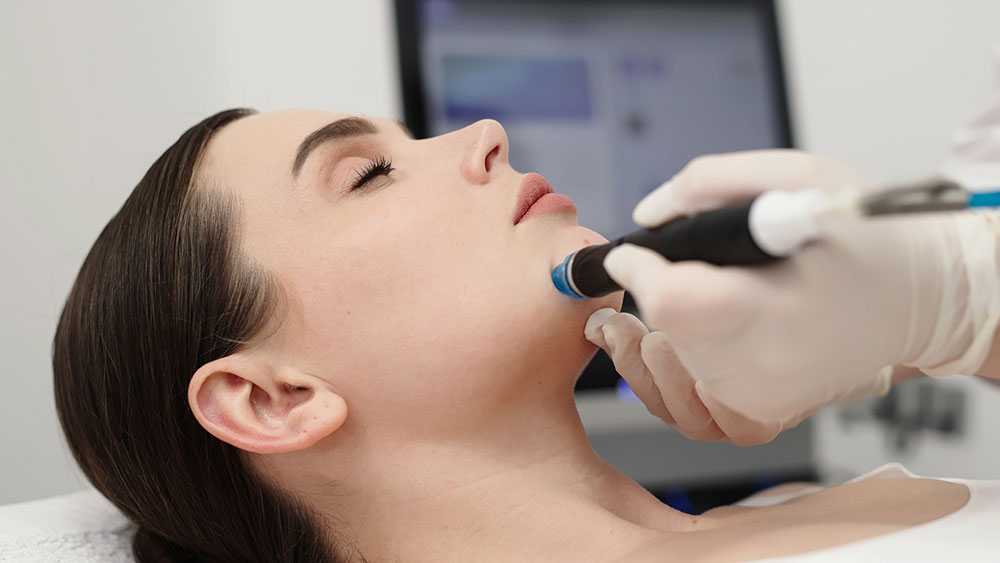
What HydraFacial Benefits May Be Helpful for Rosacea-Prone Skin?
The most useful hydrafacial benefits for rosacea patients are usually not dramatic. They are quieter than that.
Hydration Support
Many people with rosacea describe their skin as dry, tight, or uncomfortable, even when the face looks red. Hydrating serums may help the skin feel softer and less strained.
Gentle Surface Refresh
A mild refresh can help dull or uneven texture. This should be light. Rosacea skin rarely benefits from being pushed too hard.
Cleaner-Looking Pores
Some patients have congestion as well as redness. Gentle pore cleansing may help, but extraction-heavy work should be approached carefully.
Better Makeup Finish
When the skin is less flaky and more hydrated, makeup may sit more evenly. For many patients, this is a practical benefit, especially before an event or photos.
Maintenance Between Stronger Treatments
For patients also doing vascular laser or medical skincare, HydraFacial may sometimes be used as a supportive maintenance treatment. It is not the main redness treatment, but it may help keep the skin feeling more comfortable.
What HydraFacial Cannot Do for Rosacea
HydraFacial has limits, and they are important.
It cannot cure rosacea. It cannot permanently remove redness. It cannot close visible blood vessels. It cannot stop flushing triggers. It cannot replace prescription creams, oral medication, or medical care when those are needed.
It is also not ideal during every rosacea phase. If the skin is hot, burning, swollen, covered with inflamed bumps, or reacting to everything, even a gentle facial may be too much that day.
For fixed redness or visible capillaries, vascular laser is often the more direct option. A facial may help the skin feel hydrated, but it does not target blood vessels in the same way.
HydraFacial vs Laser for Rosacea Redness
HydraFacial and vascular laser are often mentioned together, but they do different work.
HydraFacial is more about hydration, glow, surface texture, and gentle maintenance. It may help the skin look fresher, especially when dryness and dullness are part of the picture.
Laser is usually considered when the concern is more vascular: persistent rosacea redness, visible vessels, flushing patterns, or redness that does not improve much with skincare alone.
Some patients need one, not the other. Some benefit from both at different points in the plan. For example, laser may be used to address visible redness, while a gentle facial is used later to support hydration and texture.
For the website, this section is a natural place to link internally to Philosophy of Beauty’s HydraFacial service page, VBeam or vascular laser page, laser treatments page, and medical-grade skincare page.
Who May Be a Good Candidate for HydraFacial With Rosacea-Prone Skin?
A good candidate is usually someone whose rosacea is mild or stable enough to tolerate a gentle facial. They may have dryness, dullness, mild congestion, rough texture, or sensitivity that needs a careful approach.
It may be suitable if the goal is:
- hydration
- a cleaner skin surface
- smoother texture
- a low-downtime facial
- support between other treatments
- a fresher look without aggressive resurfacing
It may not be the right moment if the skin is actively flaring, burning, very inflamed, or covered in irritated bumps. Severe rosacea needs a more cautious plan, and sometimes medical management should come first.
How to Prepare for a HydraFacial if You Have Rosacea
Before treatment, avoid tanning and strong sun exposure. Do not schedule a facial over sunburned or windburned skin.
If your provider recommends it, pause strong actives such as retinoids, exfoliating acids, or irritating brightening products for a short period. Prescription products should only be paused if your prescribing clinician or treatment provider advises it.
Tell the clinic if your rosacea has been flaring recently. Mention known triggers, medications, topical prescriptions, recent peels, laser treatments, or products that caused stinging.
It is also worth being honest about timing. If you have a wedding, photoshoot, or work event the next day, your provider should know. Sensitive skin can be unpredictable.
What to Expect After a HydraFacial for Rosacea-Prone Skin
After treatment, the skin may feel hydrated and smoother. Some patients look refreshed straight away. Others may have mild redness for a short period, especially if they flush easily.
Most people can return to normal activities, but rosacea patients should be sensible for the rest of the day. Avoid heat, saunas, hot yoga, heavy workouts, alcohol, hot showers, and direct sun exposure if these trigger your skin.
Keep skincare plain. Gentle cleanser, moisturizer, and SPF are usually the safest choices. Strong acids, retinoids, scrubs, and active masks can wait until the skin has settled and your provider says they are appropriate.
HydraFacial for Rosacea at Philosophy of Beauty
At Philosophy of Beauty, hydrafacial for rosacea is approached carefully. The treatment is not treated as a standard facial that every skin type receives in the same way.
Before treatment, the provider reviews redness, sensitivity, barrier condition, recent flare-ups, current skincare, and what the patient wants to improve. The plan may include a customized HydraFacial, medical-grade skincare, vascular laser, or a staged approach.
Patients searching for hydrafacial Toronto or hydrafacial Vaughan can book a consultation to discuss whether HydraFacial is appropriate for their skin, or whether redness-focused treatments may be a better first step.
“HydraFacial can be helpful for some patients with rosacea-prone skin, especially when the goal is hydration, glow, and gentle skin maintenance. The key is customization — sensitive skin should never be treated aggressively.”
Sharon Churikov — RN, Philosophy of Beauty
FAQs
Can HydraFacial help with rosacea?
It may help some patients with hydration, dullness, rough texture, and mild visible redness. It does not treat the underlying condition or replace medical rosacea care.
Is HydraFacial safe for rosacea-prone skin?
It can be safe when the skin is stable and the treatment is adjusted. If the skin is burning, inflamed, pustular, or actively flaring, treatment may need to be delayed.
Can HydraFacial reduce facial redness?
It may temporarily improve the look of redness in some patients, especially when dryness and irritation are making the skin look worse. Persistent redness and visible vessels usually need a more targeted treatment plan.
Does HydraFacial cure rosacea?
No. HydraFacial does not cure rosacea. Rosacea is a chronic condition that may need trigger management, gentle skincare, prescription treatment, or vascular laser depending on the symptoms.
Is HydraFacial good for sensitive skin?
Hydrafacial for sensitive skin can be helpful if it is customized. Sensitive skin should not receive the same intensity as oily, thick, or more resilient skin.
How often should you get HydraFacial if you have rosacea?
There is no single schedule for everyone. Some patients use it occasionally for hydration and maintenance. Others need longer gaps between treatments. The right timing depends on sensitivity, flare frequency, and skin barrier condition.
Is laser better than HydraFacial for rosacea redness?
For visible vessels and persistent redness, vascular laser is usually more direct. HydraFacial is better understood as a support treatment for hydration, texture, and comfort.
What should I avoid after HydraFacial if I have rosacea?
Avoid heat, saunas, heavy exercise, hot showers, alcohol, strong actives, scrubs, and direct sun exposure immediately after treatment if these tend to trigger flushing. Use gentle skincare and SPF while the skin settles.