
Key Takeaways
- PRP is used as a non-surgical option for people who are starting to notice thinning rather than complete hair loss. It works by using a concentrated portion of your own blood to support hair follicle activity.
- There isn’t a quick visual change. Hair responds slowly, so most people do not see anything meaningful in the first few weeks. What tends to happen first is a reduction in shedding, followed later by gradual improvement in thickness.
- A single session is not enough to shift the growth cycle. Treatments are done in a series, and results tend to hold better when maintenance sessions are added over time.
- Having a realistic sense of timing makes a difference. PRP can help, but it works within the limits of how hair actually grows.
What Is PRP for Hair Loss?
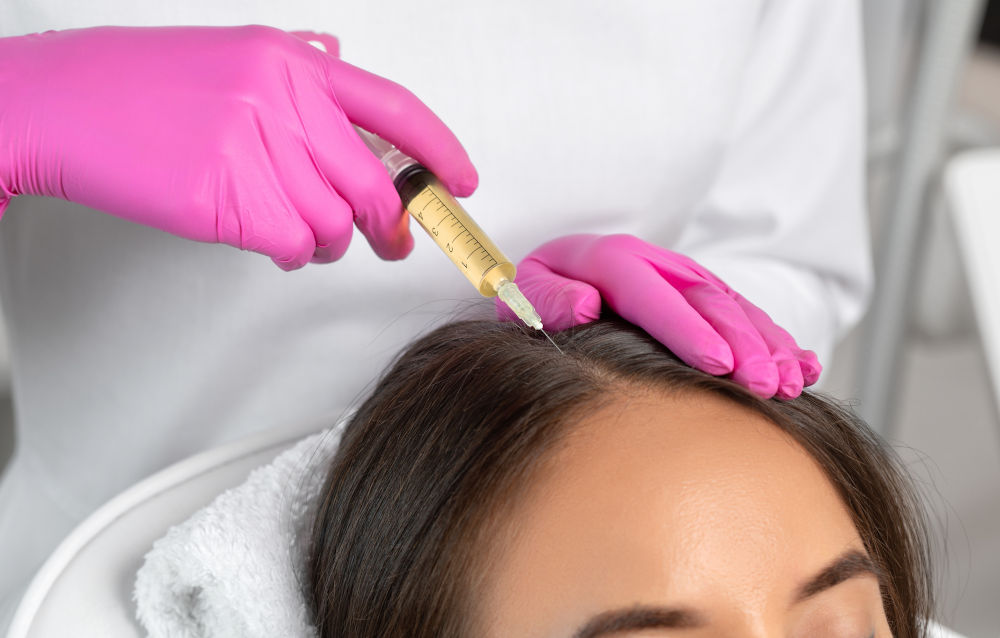
PRP for hair loss uses platelet-rich plasma taken from your own blood. After a small sample is collected, it is processed to concentrate platelets, which contain signalling proteins involved in repair and regeneration.
That plasma is then injected into areas where hair has started to thin. The aim is to support follicles that are still present but no longer producing strong, consistent growth.
This is not a replacement treatment. It does not create new follicles. It works on the ones that are already there, which is why results depend heavily on the stage of hair loss.
Patients with early thinning, widening part lines, or reduced density at the crown often respond more predictably. In contrast, areas that have been completely bald for a long time usually have little follicle activity left to stimulate.
In that sense, PRP sits within non-surgical hair restoration approaches that focus on improving function rather than rebuilding structure.
How PRP Stimulates Hair Growth
Growth Factors and Follicle Activation
Platelets release growth factors once injected into the scalp. These act as signals rather than building blocks. They tell nearby cells to shift behaviour, particularly follicles that have slowed down or entered a resting phase.
The effect is indirect. There is no immediate visible change because the follicle still needs time to respond and move through its cycle.
There is also a local circulation effect. Blood flow in the treated area tends to improve slightly, which supports delivery of nutrients. On its own, that would not be enough, but combined with growth factor signalling it creates a more supportive environment for follicle activity.
This is why PRP is often described as hair follicle stimulation rather than a cosmetic filler-type treatment.
Supporting the Hair Growth Cycle
Hair cycles between growth, transition, and shedding phases. In thinning hair, the growth phase becomes shorter and the shedding phase becomes more dominant.
PRP hair restoration is used to shift that balance. It helps some follicles stay in the growth phase longer and reduces the proportion that move too quickly into shedding.
Over time, this leads to thicker strands and a more stable growth pattern. The change is gradual because each follicle moves at its own pace.
Patients often describe it as hair becoming “stronger” before it looks visibly fuller. That description is fairly accurate.
When Will You Start Seeing Results from PRP?
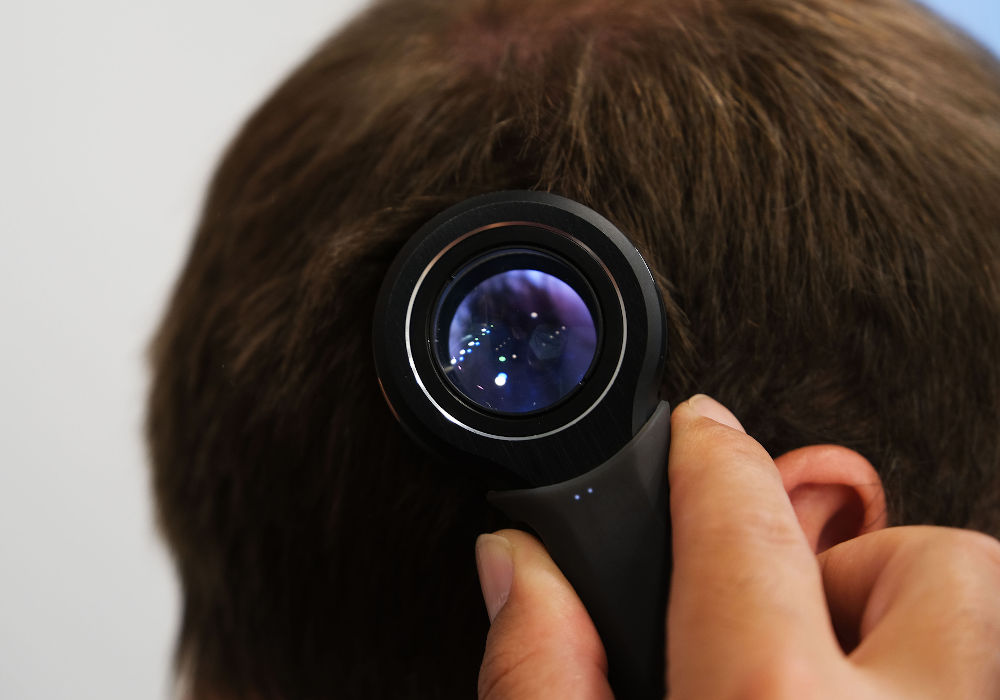
The PRP hair loss results timeline is not immediate, and this is where expectations often need adjusting.
In the first few weeks, there is usually nothing to see. The treatment has been done, but the follicles have not yet completed a growth cycle.
Around the two to three month mark, some people notice less shedding. This is often the first sign that something is changing.
Between three and six months, texture and thickness start to improve. Hair may feel denser when styled, even if the visual difference is still subtle.
From six months onward, the effect becomes easier to notice, particularly in areas that were thinning rather than fully bald.
Timing varies. Younger patients, those with milder thinning, and those who follow the treatment schedule closely tend to respond more predictably. Genetics still plays a role, and PRP does not override that.
How Many PRP Treatments Are Usually Needed?
Most treatment plans involve a short initial series rather than a single visit. Typically, this means three or four PRP hair treatment sessions, spaced about four to six weeks apart.
Spacing matters. Hair follicles need time to respond between sessions, but too much time reduces the cumulative effect.
The reason for multiple treatments is simple. Hair growth is cyclical, and follicles do not all respond at once. Repeated stimulation increases the chance of influencing a larger number of follicles across different stages.
After the initial phase, maintenance is usually discussed. This might be once or twice a year, depending on how stable the results are and how quickly thinning progresses.
Skipping follow-up does not immediately reverse results, but the effect does taper off over time.
How Long Do PRP Hair Loss Results Last?
When patients ask how long PRP hair results last, the honest answer is that it depends on the individual pattern of hair loss.
In many cases, improvements can be maintained for six to twelve months. Some patients hold results longer, especially if hair loss is slow-moving. Others may notice gradual decline sooner if thinning is more aggressive.
PRP does not stop the underlying cause of hair loss. What it does is improve how existing follicles perform for a period of time.
With maintenance treatments, results can be extended and kept relatively stable. Without them, the hair tends to return to its previous pattern.
It is more accurate to think of PRP as a way to manage hair thinning rather than cure it. That framing usually matches what patients experience in practice.
Who Is the Best Candidate for PRP Hair Restoration?
PRP tends to work best when there is still some active follicle function.
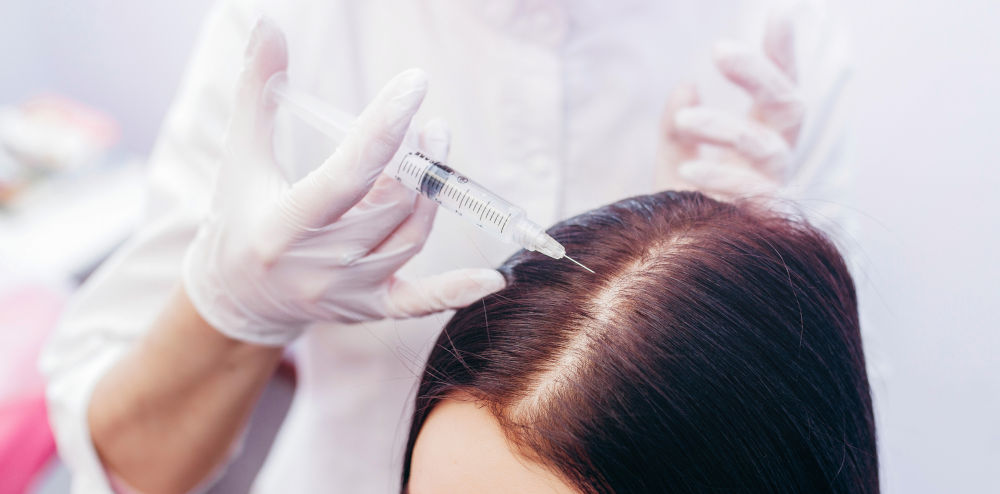
Common candidates include people with early thinning, particularly at the crown or along the hairline, and those with androgenetic alopecia who are not ready for surgical options.
It is also chosen by patients who prefer a hair thinning treatment that does not involve medication or invasive procedures.
Results are less predictable in advanced hair loss. If follicles are no longer active, there is very little for PRP to stimulate.
That does not mean it has no role, but expectations need to be adjusted, and other options may be discussed at the same time.
PRP Hair Loss Treatment at Philosophy of Beauty
Treatment at Philosophy of Beauty starts with a consultation rather than a preset package. The pattern of hair loss, scalp condition, and medical history are reviewed before any plan is suggested.
Injection areas are selected based on where thinning is active, not just where it is visible. That distinction helps improve consistency of results over time.
Protocols are kept controlled and consistent. Even though PRP uses your own plasma, technique and placement still affect how well the treatment works.
For patients considering PRP hair treatment Toronto, the goal is to set a realistic plan from the beginning and adjust it as the hair responds.
Book a consultation to find out if PRP hair restoration is right for you.
Frequently Asked Questions
How long does PRP take to work for hair loss?
PRP does not produce immediate visible change, which is where expectations often need adjusting. Most patients begin to notice reduced shedding after about two to three months, followed by gradual improvement in thickness. More noticeable changes in density usually appear between three and six months, as hair cycles progress.
Does PRP regrow lost hair?
PRP works on follicles that are still active but underperforming. It can improve their function, leading to thicker and more stable hair growth over time. However, in areas where follicles are no longer active, PRP is unlikely to restore hair.
How many PRP sessions are needed?
A typical starting plan includes three to four sessions spaced a few weeks apart. This allows repeated stimulation across different phases of the hair growth cycle. After that, maintenance sessions are often recommended to help sustain results over time.
Is PRP hair treatment painful?
There is some discomfort associated with the injections, particularly in more sensitive areas of the scalp. Most patients describe it as brief and manageable rather than intense. Numbing options can be used to make the experience more comfortable.
Can PRP stop hair loss permanently?
PRP does not stop the underlying cause of hair loss, especially in cases related to genetics or hormones. What it can do is slow progression and improve the condition of existing hair. Ongoing maintenance is usually needed to preserve results.
Are PRP results permanent?
The results are not permanent, as hair loss patterns continue over time. Without follow-up treatments, the benefits gradually decrease. With maintenance, improvements can be prolonged and kept more consistent.
Can PRP be combined with other hair loss treatments?
Yes, PRP is often used alongside other approaches depending on the individual case. This may include medical therapies or other in-clinic treatments to address different aspects of hair loss. Combination plans are typically tailored rather than standard.